


Key Points:
- The drug combo reduces ABT-263’s harmful effect on wound healing and eliminates both senescent and cancer cells.
- The combo improves the endurance of aged mice and extends their total lifespan by 12%.
There is no perfect drug, and inducing changes to our physiology inevitably leads to side effects. However, the dose always matters, and some side effects can be quelled or subdued by changing the dosage.
Some drugs show remarkable potential but have side effects that make routine use difficult. For example, ABT-263 has shown great promise against cancer cells and cells that can support the progression of cancer, called senescent cells. However, it reduces platelets, the cell fragments that stop blood from leaking from wounds.
To address the complications that arise from higher doses of ABT-263, researchers from the University of California (UC) Berkeley looked towards two more drugs:
- Dichloroacetate: A drug currently under investigation for the treatment of multiple diseases, including cancer. However, higher doses damage healthy cells.
- Metformin: A blood-sugar-lowering drug used for the treatment of type 2 diabetes.
In a new study published in Aging, the UC Berkeley researchers experimented with different dose combinations of dichloroacetate, metformin, and ABT-263. They found that the combo, in the correct proportions, could reduce both cancer and senescent cells without killing healthy cells. Notably, the combo also improved the physical fitness and extended the lifespan of mice.
Drug Combo Reduces ABT-263’s Harmful Side Effect & Eliminates Senescent and Cancer Cells
To confirm ABT-263’s toxicity, mice were given the conventional dose of 50 mg/kg. This reduced platelet counts by more than half. However, the combination of metformin, dichloroacetate, and a low 5 mg/kg dose of ABT-263 (DMA) did not significantly reduce platelet counts.
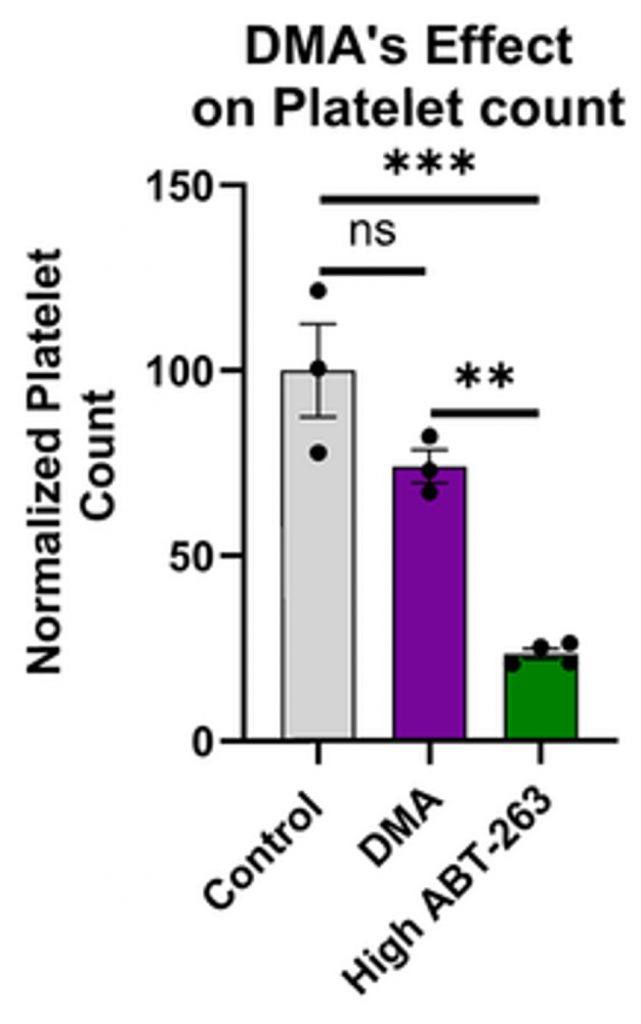
To examine senescent cells, the researchers grew cells in a dish and exposed them to UV radiation to induce senescence. They found that DMA could eliminate senescent cells without harming healthy cells better than dichloroacetate, metformin, or low-dose ABT-263 alone.
Drug Combo Eliminates Cancer Cells
Studies show that high-dose ABT-263 only targets certain cancers. Nevertheless, ABT-263-resistant cancer cells and senescent cells share similar metabolic defects. With this in mind, the researchers tested whether DMA could eliminate cancer cells resistant to ABT-263. They found that DMA could eliminate cancer cells, including those resistant to high-dose ABT-263, such as breast cancer cells.
Drug Combo Exploits Metabolic Deficiencies
The researchers went on to find that DMA eliminates cancer and senescent cells by exploiting their metabolic vulnerabilities. Specifically, the mitochondria within cancer and senescent cells are dysfunctional and produce low levels of cellular energy, ATP. The researchers found that DMA exacerbates this mitochondrial dysfunction and collapses ATP production, leading to cell death. It follows that healthy cells, being metabolically sound, are not as susceptible to DMA.
“This study establishes a feasible therapeutic approach that eliminates both cancer and senescent cells by inducing metabolic stress, which fatally disrupts the already compromised ATP-generating systems. A novel combinational drug, DMA, was able to decrease the viability of three cancer cell types and several senescent cell types, with minor to no ill effects on multiple different healthy cell lines,” said the authors of the study.
DMA Improves the Endurance and Extends the Lifespan of Mice
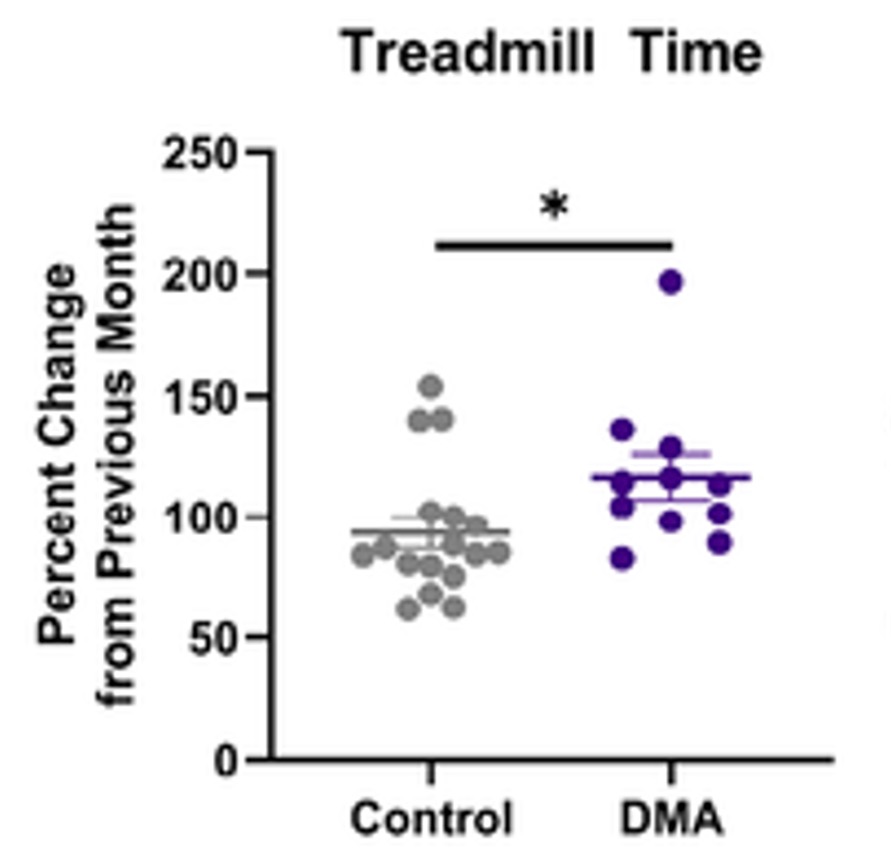
To further establish the safety of DMA, beyond platelet counts, the UC Berkeley researchers administered DMA to aged mice. Just two weeks of treatment improved the mice’s endurance, as shown by how long they could run on a treadmill. However, DMA did not improve strength and agility, as measured by hanging time, or frailty—a condition of increased vulnerability to disability, diseases, and mortality.
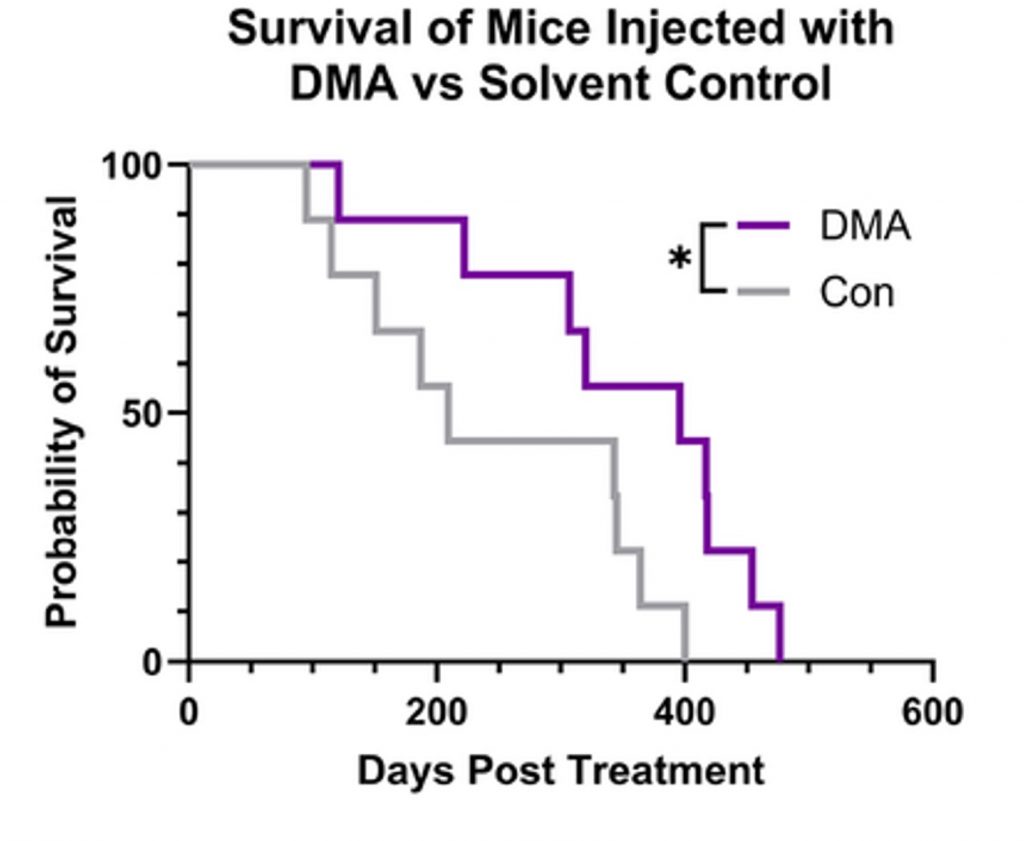
To understand the chronic effects of DMA treatment, the researchers administered DMA to aged mice until their natural death. The mice began the treatment when they were 18-months-old, which is roughly equivalent to 55-year-old humans. Remarkably, the combination of chemotherapeutic drugs extended the remaining lifespan of the aged mice by over 40% and extended their total lifespan by 12%.
Can This Drug Combo Help Humans Live Longer?
To replicate DMA’s lifespan-extension effects on humans, it would need to be administered to adults in their 50s until their natural death. Such a study would be time-consuming and expensive, and adherence to the treatment could easily falter. Such a study will likely not be done. Still, the acute 2-week administration of DMA could be tested on aged adults to determine whether it improves endurance, once its safety has been established.
“In contrast to gene therapy or cell transplantation, DMA may be broadly available to diverse socioeconomic strata. Dichloroacetate and metformin are FDA-approved and affordable, and ABT-263 has been used in several clinical trials, underlining the additional biomedical relevance of our findings,” said the authors of the study.
 Comments