


Key Points:
- Supplementing with NR counteracts memory loss and deficits in activities of daily living.
- NR reduces pro-inflammatory immune cells referred to as activated microglia.
- The metabolic defects associated with activated microglia are also reduced by NR.
No one wants to lose their memory, but escaping chronic inflammation, which contributes to memory loss, can be difficult, particularly in affluent, industrialized nations. Thankfully, in an effort to deter conditions like heart disease, neurodegenerative disorders, and type 2 diabetes, scientists are finding ways to combat chronic inflammation.
As published in Geroscience, researchers from the University of Kansas have found that NR prevents age-related memory loss. Moreover, deficits in daily activities of living were ameliorated as a result of supplementation with NR. These effects may be attributed to a reduction in the pro-inflammatory activation of brain cells called microglia.
Microglia
Microglia are fully motile immune cells that surveil the brain for pathogens, cellular debris, and damaged neurons. They are capable of destroying debris and foreign material through a process called phagocytosis and can eliminate damaged neurons. They also play a critical role in cognitive health by removing weak or unused neuronal connections in a process called synaptic pruning. Essentially, microglia keep the brain running efficiently.
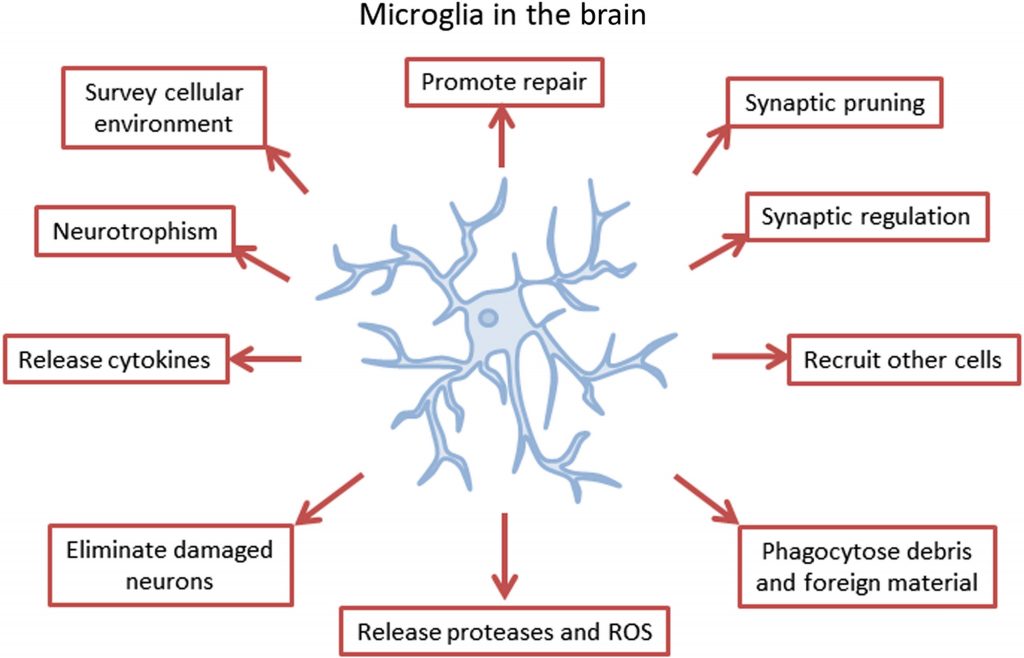
However, in response to age-related chronic inflammation, the brain health-promoting capabilities of microglia diminish. In this activated state, microglia become less motile, forcing them to release pro-inflammatory signals that exacerbate neuroinflammation. Their altered behavior coincides with cognitive decline, and previous studies demonstrate that microglia dysfunction is pivotal in the pathology of neurodegenerative disorders.
NR Counteracts Deficits in Thinking
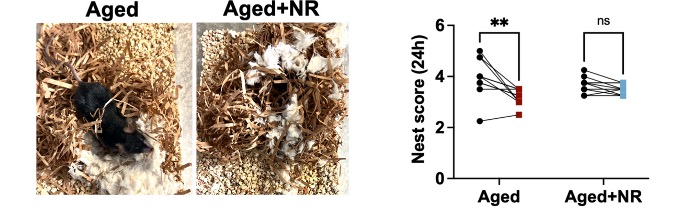
Cognitive impairment encompasses decrements in higher-level thinking, making it difficult to perform activities of daily living. For humans, these activities include managing finances, preparing meals, and housekeeping. For mice, these activities include nest building, where shredded paper and cotton pads are used to build a nest. The University of Kansas researchers found that aged mice have poor nest-building skills, suggesting cognitive decline and daily living deficits.
Age-related cognitive decline and neurodegenerative disorders are associated with low levels of NAD+, an essential molecule involved in cellular energy production. As an NAD+ precursor, NR is converted to NAD+ in the body and restores NAD+ levels. As such, to determine whether restoring NAD+ levels can combat cognitive decline, the researchers administered NR to aged mice. Remarkably, NR supplementation largely prevented the age-related decline in nest-building skills.
Furthermore, using typical cognitive tests designed for rodents, the researchers found that NR ameliorated age-related memory deficits. Namely, NR-treated aged mice scored better on a test (Y-maze) for working memory—temporarily storing and manipulating information—and a test (novel object recognition) for recognition memory—identifying previously encountered stimuli. Together, these results suggest that NR counteracts deficits in cognition, such as disordered higher-level thinking and memory loss.
NR Reduces Pro-Inflammatory Microglia
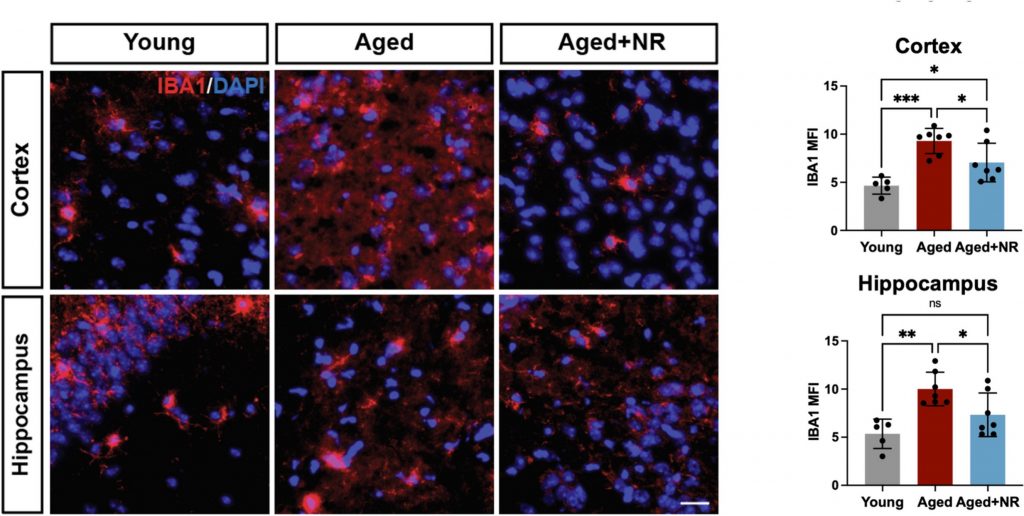
Microglia are like Dr. Jekyll and Mr. Hyde cells. Ordinary microglia are beneficial and essential for brain health, whereas so-called activated microglia are harmful and promote neuroinflammation and cognitive impairment. The Kansas researchers observed that aged mice have more activated microglia in their brains than young mice. However, NR supplementation lessened the threat of these pro-inflammatory cells.
The activated microglia were measured from two key brain regions involved in memory and cognition: the cortex and hippocampus. In the cortex, a region involved in higher-level thinking, the activated microglia were markedly reduced. Meanwhile, in the hippocampus, a region necessary for the formation of new memories, the activated microglia were restored to youthful levels. These findings reveal that NR may combat cognitive decline by preventing microglia activation.
NR Mitigates Metabolic Defects
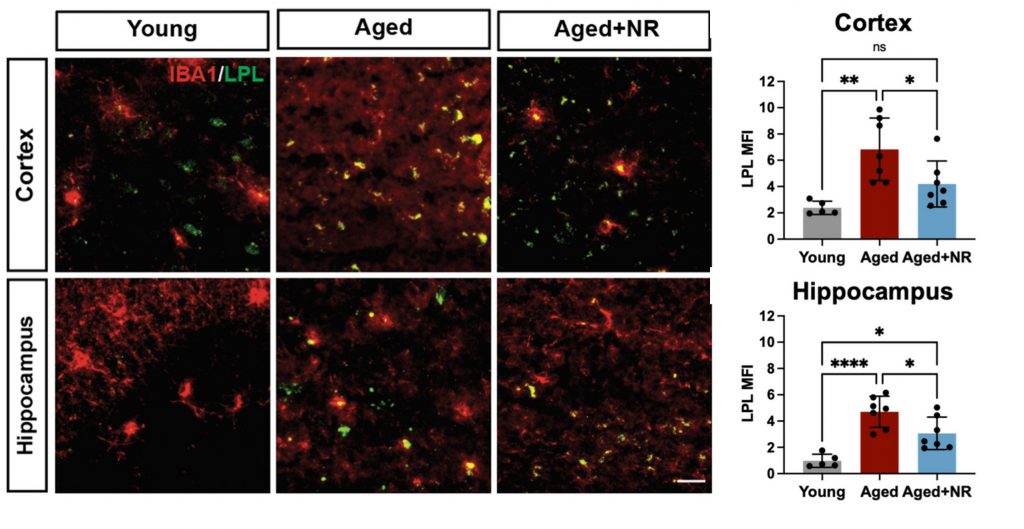
Ordinary microglia utilize glucose as their primary fuel source, using it to surveil and maintain the brain and central nervous system. Activated microglia, on the other hand, utilize lipids (fats), which are also synthesized into pro-inflammatory molecules. The Kansas researchers found that lipid metabolism was heightened in the activated microglia of aged mice. However, supplementation with NR alleviated this increase in lipid metabolism.
As with the activated microglia experiments, lipid metabolism was measured from the cortex and hippocampus of the brain. In the cortex, NR supplementation restored lipid metabolism to youthful levels. In the hippocampus, lipid metabolism was nearly cut in half. In both cases, lipid metabolism was significantly reduced, demonstrating that NR mitigates the metabolic defects associated with activated microglia.
Boosting NAD+ to Prevent Cognitive Decline and Dementia
The cause of Alzheimer’s disease (AD) is still unknown, and the “amyloid cascade” hypothesis has become outdated, meaning that traditional AD drugs that target amyloid-beta may only be partially beneficial. With that said, an emerging body of research demonstrates that inflammation and other physiological defects play a larger role in the pathogenesis of cognitive decline and AD than once thought.
For instance, we recently reported on a study showing that aberrant alternative gene splicing contributes to memory loss and dementia. Moreover, boosting NAD+ was shown to correct many of these splicing defects while also improving memory. Many other animal studies have also shown that boosting NAD+ can improve memory through processes like reduced inflammation, enhanced DNA repair, and improved energy production.
In humans, it was shown that a cocktail of compounds, including 1 g of NR, improves memory and reverses neurodegeneration in AD patients. However, 1 g of NR alone did significantly improve the memory of individuals with mild cognitive impairment or peripheral artery disease. Therefore, it would seem that combining NAD+ with other compounds is necessary to improve memory, or that cognitive deficits must be sufficiently severe to see the benefits of boosting NAD+.
 Comments