


Key Points:
- Protein restriction may promote healthier aging by altering nutrient-sensing pathways, including reduced mTOR enzyme activity and increased cellular recycling through autophagy.
- Although the approach is promising, the optimal protein levels, timing, and protein building block (amino acid) targets for human longevity remain uncertain.
As published in Cell Press Blue, Lamming and Knopf from the University of Wisconsin examine a growing body of research that suggests reducing total dietary protein or limiting certain amino acids may activate biological pathways and support metabolic health and longevity. This comes as more people embrace the notion that higher levels of protein intake can promote strength and healthy aging.
Does Protein Restriction Recapitulate the Beneficial Effects of Restricting Calorie Intake?
Since the first report in 1935 that reducing calorie intake while getting enough nutrients (caloric restriction) extends rat lifespan, this method has proven to robustly and reproducibly prolong lifespans across multiple organisms, including rodents and primate species. Moreover, short-term human studies suggest this technique reaps benefits for human health. However, practicing caloric restriction is generally considered too difficult for most people due to the discomfort of hunger, raising the question of whether there is another way to extend life in overall good health (healthspan) and lifespan without reducing calorie intake.
Protein restriction (consuming a low-protein diet while meeting nutritional needs) may serve as a potential way to extend healthspan and lifespan without significantly cutting calories from your diet. Like caloric restriction, protein restriction improves healthspan and extends lifespan across species ranging from yeast to flies to rodents.

Dietary Recommendations for Aging Adults Still Suggest Increasing Protein Intake
Despite these findings, dietary recommendations for aging adults generally suggest increasing protein consumption. These recommendations are supported by studies finding that short-term high-protein diets promote weight loss, largely by alleviating hunger and reducing food intake. Adding to this, sarcopenia (age-related muscle loss) is of great concern to the elderly due to its contribution to physical decline and loss of independence, and, relatedly, physicians often advise increasing dietary protein and engaging in resistance exercise to combat sarcopenia.
Nonetheless, a growing body of evidence challenges the idea that consuming more protein is beneficial. For example, human studies have found that high-protein diets are associated with an increased risk of diabetes, cancer, and mortality, as well as an increased risk of death from cardiovascular problems. Also of interest, a 2023 human study of twins in the UK reported that increased dietary protein intake correlated with sarcopenia during aging, challenging the conventional notion that dietary protein prevents sarcopenia.
Supporting the idea that protein restriction may aid in healthy aging, human randomized controlled trials (gold standard studies for showing some degree of causation) support metabolic improvements from protein restriction. Along these lines, a 2016 study reported that participants who consumed a low-protein diet for 43 days exhibited reduced body weight and lowered blood sugar levels, despite increased calorie intake, mirroring findings in rodents. Also, another study in lean men found that five weeks of protein restriction improved insulin sensitivity and energy expenditure.
Collectively, the data discussed thus far raise the question of what the optimal amount of dietary protein is for healthy aging. Despite the evidence backing a protein-restricted diet, reports suggest that many Americans believe that higher protein intake is universally beneficial. Companies manufacturing food have tapped into this belief by increasing their production of protein-dense foods.
As these protein-dense foods flood grocery store shelves, the need to reevaluate the optimal levels of protein intake for healthy aging becomes increasingly apparent. In that regard, examining hallmarks of protein restriction with respect to aging and age-related diseases may help inform aging individuals to decide how much protein to consume.

The Hallmarks of Dietary Protein Restriction
Using rodents as models to dissect the effects of protein restriction on aging has helped researchers better understand how reducing protein intake extends healthspan and lifespan in animals. With these animal models, researchers can precisely control the amount of protein restricted in the diet and assess the effects on physiological hallmarks related to aging. Reviewing these hallmarks will help reach a better understanding of how a protein-restricted diet may promote healthy aging.
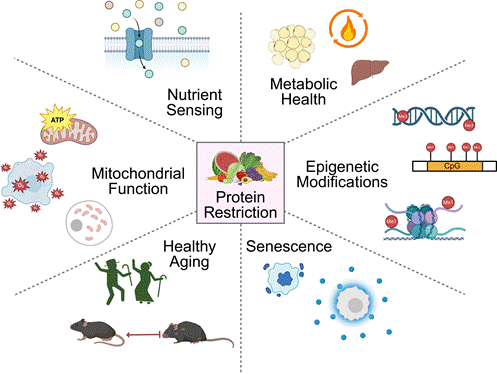
The First Hallmark: Metabolic Health
Attributes of aging in animals and humans include increased body weight and fat accumulation, indicative of reduced metabolic function. In young rodents, dietary protein restriction improves metabolic function by reducing body fat, increasing energy expenditure, and improving blood sugar levels.
These effects are not due to lowered calorie intake because protein restriction actually leads to increased food intake. Moreover, these effects also apply when protein restriction is initiated late in life, in which case restricting protein intake improves metabolic health in aged mice. Altogether, based on this research in rodents, it appears that improvements in metabolic function induced by protein restriction contribute to the longevity benefits of protein restriction.
The Second Hallmark: Nutrient-Sensing Pathways
A leading hypothesis for the longevity benefits of protein restriction has to do with the dietary technique’s ability to modulate nutrient sensing pathways. Some nutrient-sensing pathways gauge amino acid availability from dietary sources. Scarcity of amino acids promotes the breakdown of tissues (catabolism), such as muscle, and induces a cellular mechanism for cell waste disposal and recycling (autophagy). Two specific pathways involved in tissue catabolism and autophagy may help shed light on how protein restriction modulates nutrient sensing pathways to possibly promote longevity:
Pathway 1: GCN2
GCN2 is an enzyme that plays a key role in maintaining the functional balance (homeostasis) of cells. It activates when amino acids are restricted. It then acts through a cellular pathway to suppress protein synthesis and can also promote catabolism. It also acts through another cellular pathway to promote the expression of autophagy-related genes. Thus, with low levels of amino acids from protein restriction, GCN2-related nutrient sensing may help rejuvenate cells by suppressing protein synthesis (reducing cells’ workload while they restore nutrients) and promoting autophagy.
Pathway 2: mTOR
mTOR is an enzyme that senses whether conditions are suitable for growth and building new cellular material. Pharmacological or genetic inhibition of mTOR extends the lifespan of many species, including mice. Furthermore, protein restriction inhibits mTOR in tissues like the liver, heart, muscle, and brain. Collectively, these findings suggest that protein restriction inhibits mTOR, contributing to protein restriction’s longevity benefits.
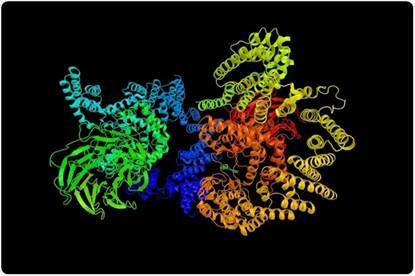
mTOR inhibition promotes autophagy and suppresses protein synthesis. Thus, through mTOR inhibition, protein restriction appears to modulate nutrient sensing to promote autophagy and suppress protein synthesis, which may help rejuvenate aging cells.
The Third Hallmark: Senescence
Cellular senescence is an irreversible state cells enter where they stop proliferating and can emit inflammatory molecules (called the senescence-associated secretory phenotype [SASP]). The SASP promotes tissue dysfunction, which can accelerate aging. Relatedly, clearance of senescent cells can alleviate age-related diseases.
Diets high in protein increase cellular senescence in the liver, while protein restriction reduces liver cell senescence in mice. High-protein diets also promote the accumulation of senescent cells in the kidneys, while protein restriction counters this effect. Thus, protein restriction’s anti-senescence effects in different tissues may represent a key way that protein restriction modulates healthspan.
The Fourth Hallmark: Mitochondrial Dysfunction
The cells’ powerhouses (mitochondria) generate cellular energy in the form of ATP molecules and serve as central regulators of metabolism. These cellular structures become less efficient with age, reducing their ability to produce ATP.
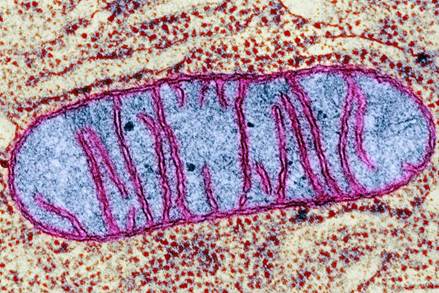
Dysfunctional mitochondria are also the primary source of highly reactive, damaging molecules called reactive oxygen species (ROS). ROS can damage cellular proteins, lipids, and DNA. Moreover, increased ROS with aging can drive cellular senescence in a variety of cell types. Accordingly, with these effects in mind, mitochondrial dysfunction has been tied to many age-related diseases, including diabetes.
Research has shown that calorie restriction reduces ROS to preserve mitochondrial function, but few studies have examined the effects of protein restriction on mitochondria. Nonetheless, protein restriction reduces liver ROS and increases mitochondrial activity, suggesting it improves mitochondrial function. This highlights the potential of protein restriction to alleviate age-related mitochondrial dysfunction, but more research is needed for confirmation.
The Fifth Hallmark: Epigenetic Modification
Epigenetic modifications encompass alterations to molecular tagging patterns on DNA that change DNA expression patterns without altering the sequence of DNA itself. With age, the erosion of these molecular tagging patterns occurs, which may, in part, drive aging. This is because the erosion of these patterns leads to improper gene regulation, promoting other hallmarks of aging, such as cellular senescence.
Little is known about how protein restriction affects these epigenetic modifications. However, some evidence suggests that dietary amino acids regulate them in some way. Accordingly, this raises the question of whether protein restriction can impact epigenetic modifications and, subsequently, gene expression patterns, which may promote healthspan by restoring molecular tagging patterns seen during young ages.
The Sixth Hallmark: Healthy Aging
Protein restriction not only extends lifespan but also healthspan across a diversity of species. In addition to the hallmarks described above, a critical factor in healthspan is frailty—a physical state of muscle loss, vulnerability, loss of independence, and increased risk of mortality. Frailty and its relation to healthspan play a critical role in the sixth hallmark, healthy aging.
Concerning frailty and healthspan, aged adults now often receive the recommendation of consuming more protein for muscle building to prevent frailty and combat age-related sarcopenia. Along these lines, higher protein intake has been associated with a reduced risk of frailty. However, a recent study of British twins showed that eating more protein is associated with an increased risk of sarcopenia.
Interestingly, in another study, consuming a low-protein Mediterranean diet has been associated with increased muscle mass and strength. Nonetheless, the source of protein may help explain these conflicting data because plant, but not animal, protein is associated with a reduced risk of frailty. Hence, the impact of protein restriction on frailty and healthspan in mammals, including humans, still needs to be fully elucidated with further research.
Figuring Out Optimal Dietary Protein Levels to Promote Longevity
There are many unknowns related to how much protein aging people should consume to optimize their longevity. The unresolved challenge is how to preserve protein-dependent muscle maintenance, tissue repair, and physical function while avoiding dietary patterns that may adversely affect long-term metabolic health. Protein quantity, amino acid composition, food source, replacement nutrients, exercise, and life stage all influence this balance. Current evidence does not establish a single protein intake that optimizes both physical function and human longevity. According to Lamming and Knopf, it appears that many people in the US consume more than the recommended daily allowance of protein and could possibly benefit from some form of protein restriction.
Nonetheless, protein needs differ with age, activity, health, and nutritional status. Some older adults already consume insufficient protein, and further restriction could worsen inadequacy. People exercising regularly may also have higher requirements, alongside pregnant women, growing children, people restricting calories, and those recovering from injuries. Protein restriction could possibly be harmful for these groups of people who need protein for things like development or physical recovery.
While determining the optimal levels of dietary protein intake remains challenging, the potential benefits of doing so are substantial. Enough so that, according to Lamming and Knopf, “they demand” that scientists translate these findings into actionable dietary recommendations for humans.
“We must work together to design suitable diets for individuals; identify methods and metrics to assess the effects of diet on health, frailty, and aging; and understand how personal factors impact dietary needs,” say Lamming and Knopf in their publication.
 Comments