


Key Points:
- The abundance of chemical tags attached to DNA increases with age in most tissues, except in muscle and lung tissue.
- A notable gene network involving NAD+ (nicotinamide adenine dinucleotide) may be amenable to interventions such as NAD+ precursors.
- Other genes found to be altered with age across most tissues include one called PCDHGA1.
Notwithstanding time, each of us ages at a different pace. Studies show that differences between us arise from cumulative biological damage that can be measured to predict mortality and chronic disease. Research indicates that, of these measures, which estimate overall bodily damage, DNA methylation is among the most reliable.
DNA Methylation
DNA contains the instructions for building and maintaining the body, but cells do not use every gene at once. One way cells help control gene activity is through DNA methylation: enzymes add tiny molecules, made of only a few atoms, called methyl groups, to specific places on DNA. These tags do not change the DNA sequence itself. Instead, they can influence whether a gene is easy for the cell to read. In many contexts, methylation near a gene’s regulatory region is associated with lower gene activity.
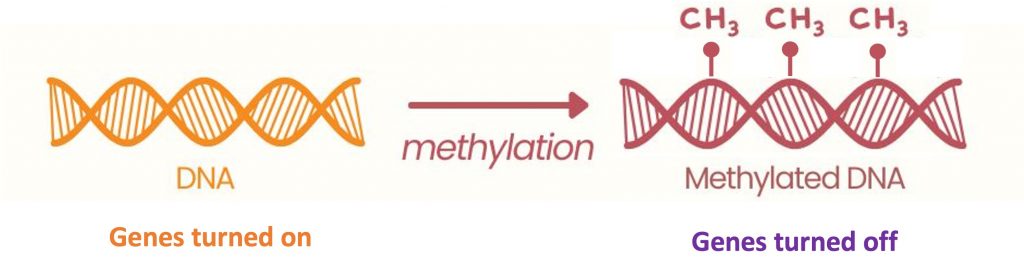
New DNA Methylation Study
In a recent study, published in Nature Aging, researchers from the Australian Regenerative Medicine Institute examined DNA methylation patterns from 17 human tissues. In doing so, they showed that DNA methylation increases with age. They also found that several genes or gene networks were altered across most tissues with aging, including the NAD+ gene network, the ELOV2 gene, and the PCDHGA1 gene.
DNA Methylation Increases with Age in Most Tissues
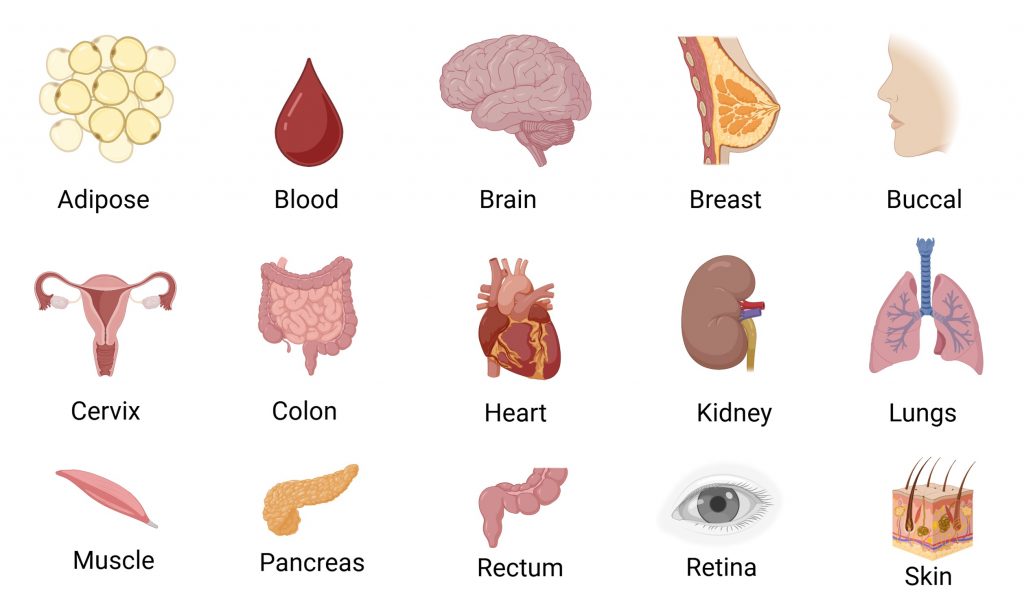
The researchers obtained over 15, 000 samples from 17 tissues across the adult lifespan. For some analyses, they did not have enough samples for the stomach and prostate, so 15 tissues were examined. They found that DNA methylation increased (hypermethylation) with age in 13 of the tissues. In muscle and lung tissue, DNA methylation decreased (hypomethylation) with age. This pattern suggests that many genes may be turned off in many tissues as we age.
Researchers found that many genes that become less active with age are involved in growth, development, and communication between cells. In contrast, genes that become more active were linked to immune function, metabolism, and the production of new neurons, a process called neurogenesis. Together, these changes may reflect aging tissues’ reduced ability to repair themselves, as well as shifts in how cells communicate with one another.
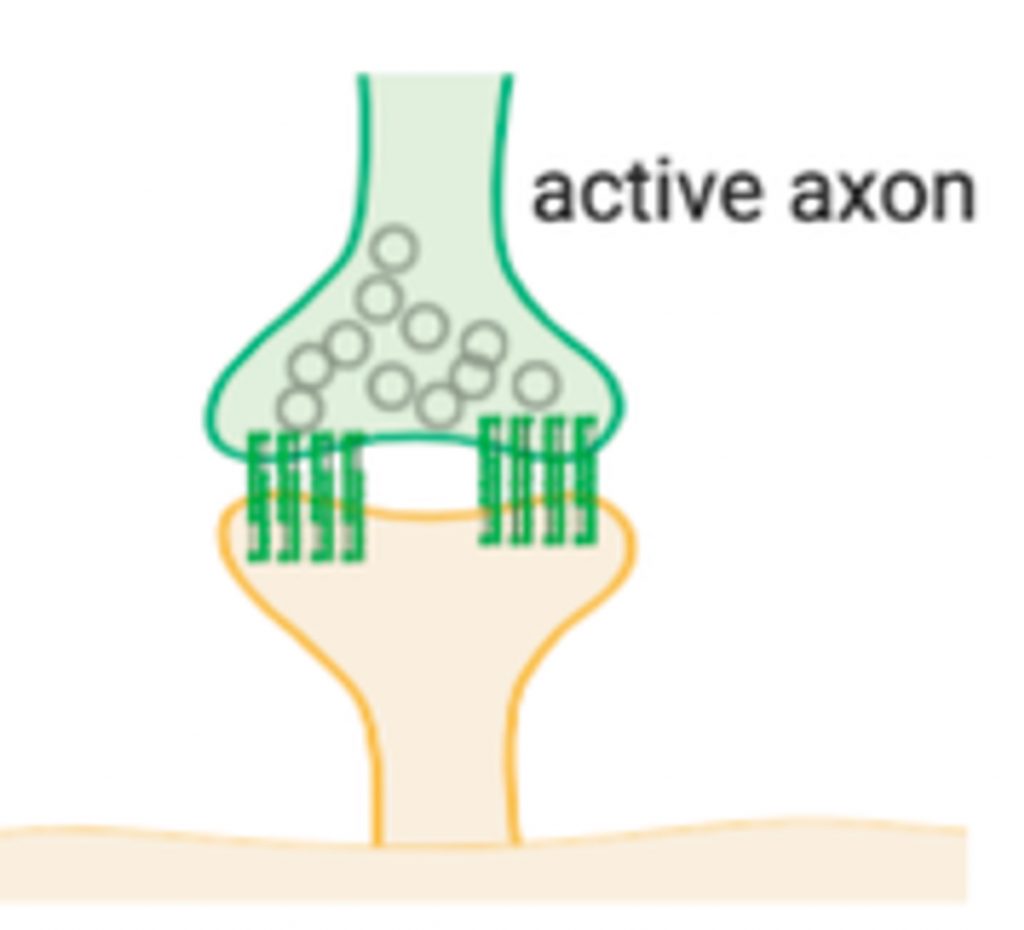
Across multiple tissues, aging was also associated with changes in molecular switches known as GTPases. These proteins help cells communicate, maintain their structure, and transport materials in small membrane-bound packages called vesicles—including vesicles that store neurotransmitters. Disrupted GTPase activity has been linked to neurodegenerative disease, age-related immune decline, and the buildup of senescent cells. Senescent cells, damaged cells, stop dividing but remain in the body, where they may contribute to tissue deterioration over time
Specific Genes and Gene Networks Altered with Age
ELOV2 Gene and NAD+ Network
The researchers identified several genes and gene networks that showed especially consistent age-related changes across the body. One was ELOVL2, a gene long used as a marker of biological age: age-related DNA changes near it appeared in 15 of the 17 tissues studied. They also identified a network of genes involved in NAD+ metabolism, which helps cells produce energy and support repair processes.
PCDHGA1: The Master Aging Gene?
The most intriguing finding was PCDHGA1, a gene that helps cells recognize, connect with, and communicate with neighboring cells. It emerged as a central hub in the analysis across multiple tissues, raising the possibility that it could help coordinate some of the widespread molecular changes seen with aging. It is not a proven “master aging gene,” but it may be an important candidate for understanding how aging-related changes spread across different tissues.
Boosting NAD+ to Counteract DNA Methylation Aging
By using a computer-based simulation method, the researchers found that many of the molecular networks that shift with age may be difficult to correct once they are disrupted. One exception was a more stable network involved in producing NAD+. This network relies in part on recycling nicotinamide riboside (NR), an NAD+ booster, and may be more open to beneficial intervention than the other aging-related networks. It follows that taking NR could potentially target the NAD+ network to alleviate the worsened DNA methylation patterns that occur with age.
 Comments