


Key Points:
- Cordycepin prolongs the lifespan of mice by about 12% and counteracts age-related weight gain.
- Strength, memory, and heart function were also improved by cordycepin supplementation.
- Supplementing with cordycepin targets the underlying drivers of aging, such as inflammation, and improves circadian rhythms.
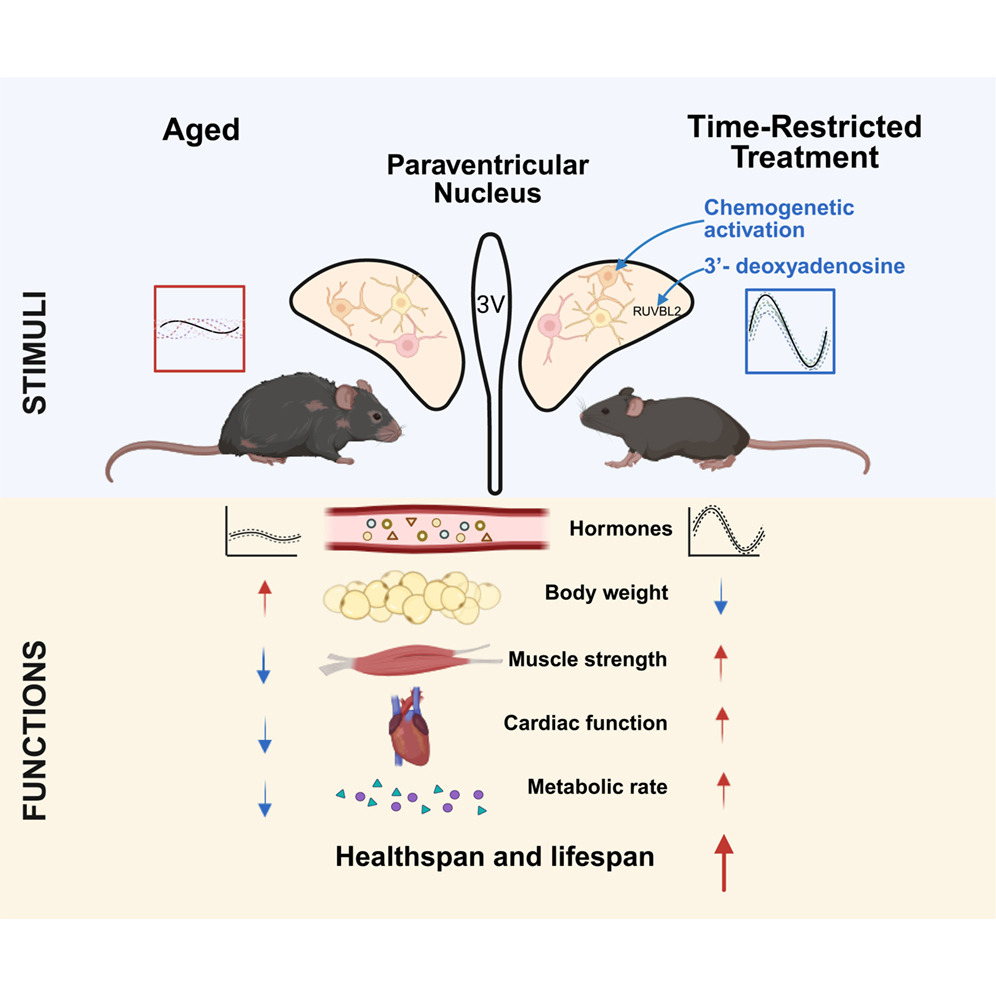
As published in Cell, a new study shows that 50 milligrams of cordycepin prolongs the lifespan of mice while counteracting several important features of aging, including altered hormone levels, weight gain, muscle weakness, heart malfunction, metabolic dysregulation, and cognitive impairment. These profound health and longevity effects were largely dependent on a region of the brain called the paraventricular nucleus (PVN), which regulates processes such as metabolism, blood pressure, fluid balance, and stress. These findings suggest that cordycepin intake can mitigate age-related PVN deterioration, leading to body-wide improvements.
Cordycepin Improves Health and Longevity
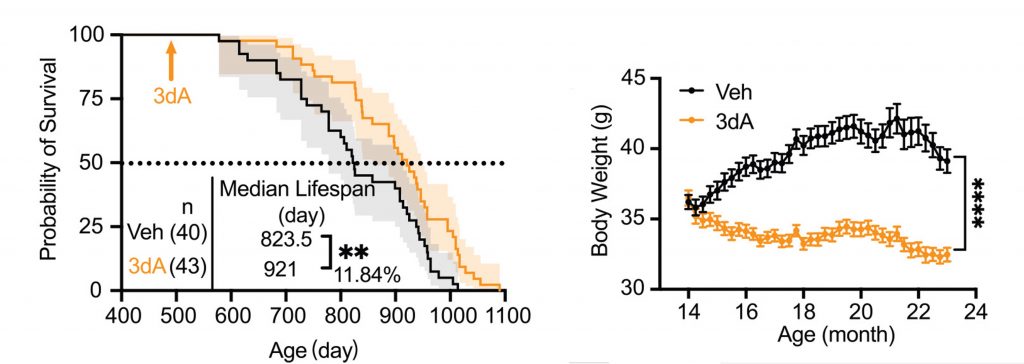
Researchers from the National Institute of Biological Sciences in China began administering cordycepin to mice when they were roughly equivalent in age to 50-year-old humans. This led to a 11.84% increase in median lifespan (the age at which exactly 50% of the mice had died and 50% were still alive). The increase in lifespan can be attributed to improvements in health. For example, over the cordycepin treatment period, the aged mice weighed less than their untreated counterparts, suggesting a reduction in excess fat, which increases mortality risk.
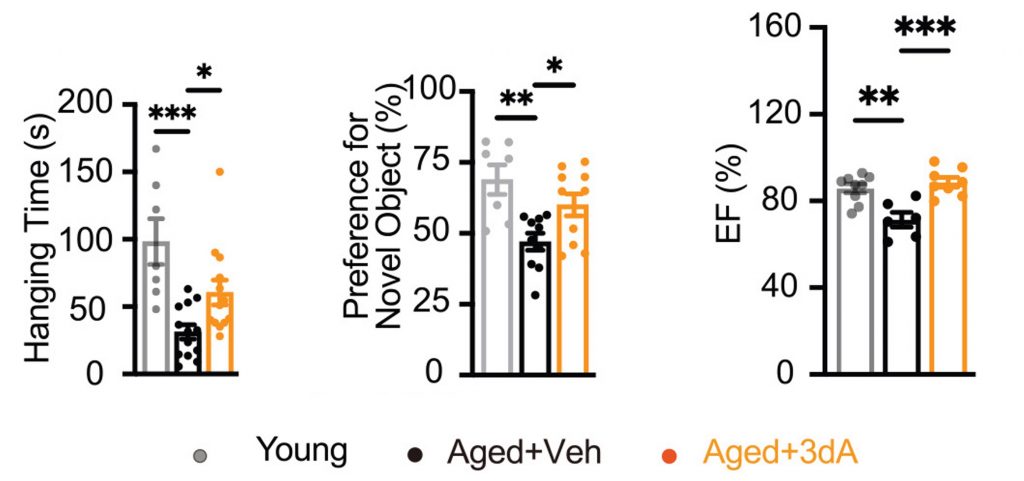
Muscle loss, cognitive impairment, and heart disease also increase mortality risk. The researchers found that the aged mice treated with cordycepin could hang from a wire longer than untreated aged mice, suggesting improved neuromuscular strength. The cordycepin-treated aged mice also preferred novel objects over familiar ones, a measure of memory enhancement. Additionally, the cordycepin-treated aged mice exhibited improvements in heart function. For example, the volume of blood pumped by the heart with each beat (ejection fraction) was restored to youthful levels. These findings suggest that cordycepin counteracts aspects of muscle, brain, and heart aging.
Metabolic dysregulation, such as high blood glucose or LDL cholesterol levels put individuals at risk for early mortality. The researchers found that cordycepin lowered glucose levels in aged mice. However, cordycepin did not significantly affect “bad” LDL cholesterol, and it lowered “good” HDL cholesterol, revealing that cordycepin is not a wonder molecule. Still, cordycepin lowered blood triglyceride levels, suggesting the need for further investigation into cordycepin’s lipid-lowering effects.
Cordycepin Targets Multiple Hallmarks of Aging
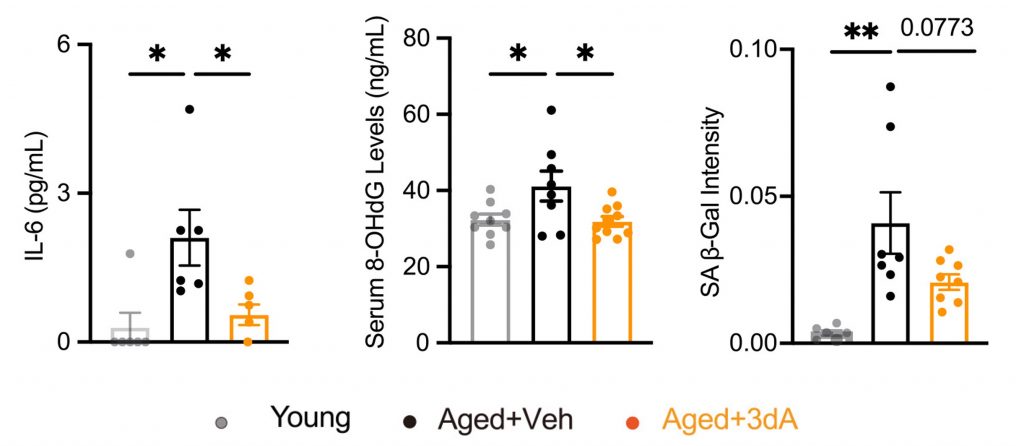
Geroscientists have now identified the underlying drivers of age-related pathological conditions, such as muscle loss, cognitive impairment, heart disease, and metabolic dysregulation. These underlying biological drivers of aging are called the hallmarks of aging. Amongst the hallmarks are chronic inflammation, cellular senescence, and oxidative stress (damage caused to cells by excess reactive oxygen species). Remarkably, cordycepin reduced markers of inflammation and oxidative stress to youthful levels. It also reduced a marker for cellular senescence, but this result was not statistically significant.
Timing Is Everything
Cordycepin’s health and longevity effects can be attributed to its influence on the PVN. The researchers showed that the PVN modulates circadian rhythms—the 24-hour internal biological clock that regulates our physiology. Our circadian rhythms determine the cyclical nature of essential processes, such as sleeping/waking, hormone release, and gene activation. With age, circadian rhythms tend to become disrupted, leading to chronic diseases and a shortened lifespan.
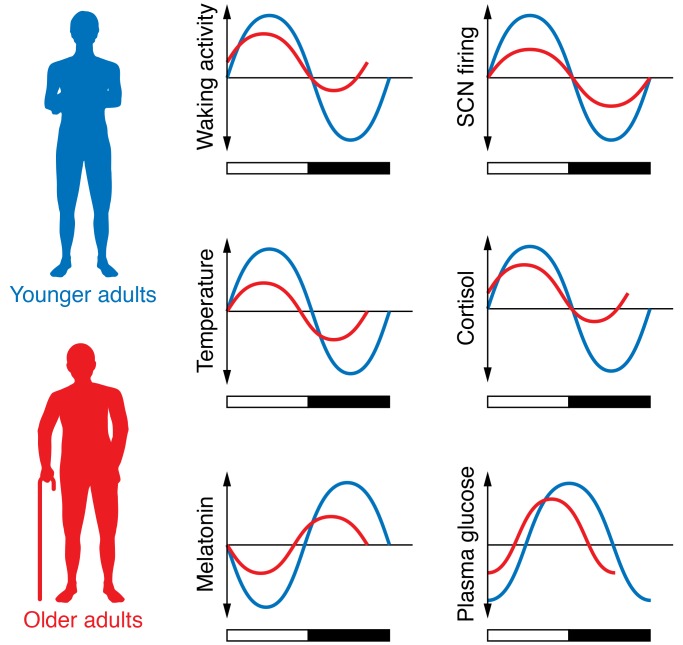
The researchers found that cordycepin restored locomotor activity, gene activation, and hormone cycles, suggesting that cordycepin counteracts age-related circadian rhythm disruptions. These effects were observed when cordycepin was administered around Zeitgeber Time 11, which corresponds to the hours just before dark, when mice, as nocturnal animals, are the most active. For humans, this time could correspond to early morning, but more studies are needed to confirm this.
Will Cordyceps Prolong the Lifespan of Humans?
Few studies have tested the effects of cordycepin on humans, but some researchers have explored the effects of cordyceps extracts. One such study showed that a beverage containing Cordyceps militaris, which included 2.85 milligrams of cordycepin, increased natural killer cell activity, indicating improvements in immune function. The beverage also reduced inflammation, as shown by a reduction in interleukin-6 (IL-6), which was also reduced in mice in the current study, as shown above.
Another study showed that Cordyceps sinensis mycelium culture extract alleviated symptoms of COVID-19. Additionally, a 4-gram blend of Cordyceps militaris was shown to improve aerobic capacity after just 1 week. Nevertheless, there are few clinical trials exploring the effects of cordyceps on the hallmarks of aging and age-related conditions in older adults. And, while a mouse study showed that a form of Cordyceps sinensis prolongs lifespan, there are no studies indicating that Cordyceps prolongs the lifespan of humans.
 Comments