


Key Points:
- As core, foundational supplements, Dr. Huberman takes omega-3 fatty acids, vitamin D3 plus K2, and creatine monohydrate.
- Dr. Huberman takes nicotinamide mononucleotide (NMN) for longevity purposes and magnesium, apigenin, and L-theanine for optimal sleep.
- To support natural testosterone synthesis, Dr. Huberman takes tongkat ali and zinc, and also takes alpha-GPC and L-tyrosine to support cognitive performance.
Stanford neuroscientist Andrew Huberman, widely known as the host of the popular Huberman Lab podcast, has become renowned in the longevity field. In that regard, he has gained notoriety as one of the most influential voices in evidence-based physiological optimization for longevity’s sake.
Dr. Huberman makes a concerted effort to translate peer-reviewed science into actionable supplement and exercise protocols that ordinary people can follow. While he consistently emphasizes that adequate sleep, sunlight exposure, exercise, and nutrition should take priority, when these foundational elements are in place, using supplements may help optimize physiological function for longevity. This raises the question of what supplements Dr. Huberman currently takes.
How Andrew Huberman Chooses Supplements
Before delving into which specific supplements Andrew Huberman takes to optimize his health, it is worthwhile to take a closer look at Dr. Huberman’s perspective on supplementation. Along those lines, Dr. Huberman approaches supplementation with science-based views. He starts with the evidence, tests his biology through bloodwork, observes any subjective responses, and adjusts his protocol accordingly. This practice is crucial to ensure that any given supplement does what is intended, as opposed to causing damage.
Furthermore, Dr. Huberman updates his supplement stack as new research emerges. For example, his previous enthusiasm for certain supplements, like the purported testosterone booster fadogia agrestis, has become significantly more cautious. He views this particular supplement with a more reserved perspective, because human safety data remains limited and because research suggests it adversely affects rodent testicular function. Such candid supplement protocol revisions may add some degree of credibility to Dr. Huberman’s views, possibly making his supplement stack worth paying attention to for those wanting to prolong their life spent with solid health.
Core Supplements
Omega-3 fatty acids: Dr. Huberman takes a reported 2 to 4 grams of fish oil daily. The fish oil Dr. Huberman takes contains more EPA (eicosapentaenoic acid), a key omega-3 fatty acid compound found in fish oil, than DHA (docosahexaenoic acid), another omega-3 fatty acid found in fish oil. The combination of EPA and DHA in fish oil is believed to help reduce inflammation, lower blood fats (triglycerides), support cardiovascular health, and improve mood. Moreover, Dr. Huberman has described the evidence supporting the potential benefits of fish oil supplementation as among the most convincing in the supplement literature.
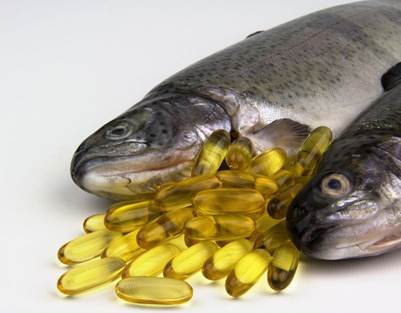
Specifically regarding longevity, chronic low-grade inflammation is a hallmark of aging and may drive accelerated aging. According to Dr. Huberman, getting adequate EPA and DHA from fish oil is one of the most evidence-backed ways to address this hallmark of aging.
Vitamin D3 + K2: Dr. Huberman also reportedly takes 5,000 to 10,000 IU vitamin D3 daily. He refers to vitamin D3 for what it actually is, a hormone, not just a vitamin. This vitamin has the label of a hormone because it acts as a chemical messenger that acts on target tissues, such as bone, in ways similar to other hormones. Vitamin D3 also modulates thousands of gene expression pathways, including those related to immune function, mood, bone health, and testosterone production.
Dr. Huberman pairs his vitamin D3 supplementation with vitamin K2, a vitamin essential for directing calcium into bones and teeth and preventing calcium accumulation in the vasculature and soft tissues. Dr. Huberman considers pairing vitamin D3 with vitamin K2 a key consideration for preserving cardiovascular function over a long-term time course due to vitamin K2’s protective effects on the vasculature. Vitamin K2 protects the cardiovascular system from high circulating calcium, since vitamin D3 supplementation can increase calcium in the bloodstream.
Creatine monohydrate: Dr. Huberman reportedly takes 5 grams of creatine monohydrate daily, primarily for its effects on cognition, rather than athletic performance. Accordingly, some research has shown that this supplement supports brain energy systems, improves memory, and reduces mental fatigue. Furthermore, these effects occur over extended time frames with consistent use.
Supplements for Cellular Function and Aging
NMN (nicotinamide mononucleotide): In a podcast with Joe Rogan, Dr. Huberman reported taking approximately 2 grams of NMN each morning sublingually (under the tongue). Notably, he reports a definite subjective sense of increased energy.
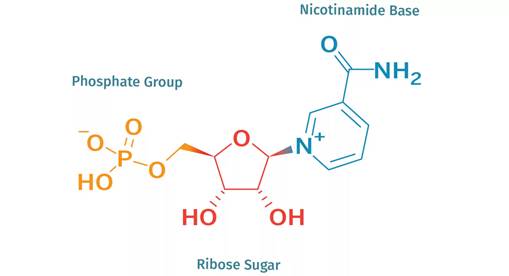
NAD+, which NMN is a precursor for, is a vital molecule for cellular metabolism, DNA repair, and the function of the cell’s powerhouses (mitochondria). Cells convert NAD+ precursors, like NMN, to NAD+, which contributes to reactions that generate cellular energy. Importantly, NAD+’s levels steadily decline with age in multiple organisms, including humans. Human trial research has shown that taking NMN significantly increases circulating NAD+ (nicotinamide adenine dinucleotide).
As far as NMN research in living organisms goes, research with rodents has shown that this supplement improves things like physical endurance and insulin sensitivity. Some human trials testing NMN are underway, and those completed suggest that, aside from increasing NAD+, it improves muscle insulin sensitivity in prediabetic women and improves physical activity in older adults. While human research on NMN develops, Dr. Huberman has decided to use this supplement due to its potential to support longevity-related signaling pathways.
Supplements for Sleep
Magnesium: Dr. Huberman takes 200 to 400 milligrams of magnesium 30 to 60 minutes before going to bed. He uses a particular type of magnesium called magnesium L-theonate (magnesium bound to a vitamin C metabolite called L-threonic acid). Magnesium L-theonate has a unique ability to cross the blood-brain barrier, efficiently increasing magnesium levels in the brain to support sleep quality and cognitive function.
Moreover, magnesium is involved in over 600 enzymatic reactions in the body, and deficiency of this essential mineral is remarkably common. Along these lines, estimates suggest that nearly half of the US population does not meet the recommended magnesium intake through diet alone.
Apigenin: Each day, Dr. Huberman takes 50 mg of apigenin, a natural antioxidant found in plants like celery and herbs, as well as chamomile tea. In the brain, apigenin acts on certain receptors (GABA receptors) to produce sedative effects and promote relaxation. As with magnesium, Dr. Huberman takes apigenin 30 to 60 minutes before going to bed.

L-theanine: On occasion, Dr. Huberman reportedly takes 100 to 300 milligrams of L-theanine, a molecule found in green tea and black tea leaves. L-theanine is known for promoting relaxation, reducing stress, and improving focus without causing drowsiness. As such, some people, like Dr. Huberman, use L-theanine for calming anxiety and improving sleep quality.
Supplements that Support Natural Testosterone Synthesis
Tongkat ali: Dr. Huberman prefers to support his own body’s testosterone production through supplementation with tongkat ali, a substance derived from the root and bark of an evergreen shrub. As for evidence backing tongkat ali, a large-scale analysis of human studies demonstrated that it increased testosterone by 37% in men. Dr. Huberman describes tongkat ali as particularly relevant for men over age 35 and takes 400 milligrams daily.

Zinc and Boron: Dr. Huberman takes 15 milligrams of zinc and 2 to 4 milligrams of boron daily. Zinc is an essential mineral for immune function, wound healing, protein synthesis, and cell division, and boron is a trace mineral that plays a key role in bone growth and wound healing. Interestingly, some people are deficient in both minerals, and these deficiencies correlate with lower testosterone.
Supplements for Cognitive Performance
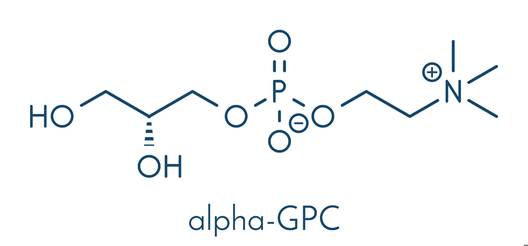
Alpha-GPC: Dr. Huberman takes 300 milligrams of the compound alpha-GPC four times a week. Alpha-GPC is a compound that is believed to increase levels of acetylcholine, a neurotransmitter central to memory, learning, and attention. Dr. Huberman takes alpha-GPC before periods requiring focus or intense training in an attempt to enhance his memory, focus, and cognitive function.
L-tyrosine: Dr. Huberman takes 500 milligrams of L-tyrosine on occasion. L-tyrosine is a naturally produced protein building block (amino acid) that contributes to the synthesis of certain neurotransmitters, such as dopamine and norepinephrine. Dr. Huberman takes L-tyrosine before periods requiring sustained focus, particularly before doing high-pressure work. Some research suggests that the supplement can enhance cognitive performance, especially in cognitively demanding situations.
The Monthly Cost of These Supplements
The complete stack of Dr. Huberman’s supplements costs somewhere between $300 and $460 each month, depending on the brands one chooses to use. For some people who may want a scaled-back version of Dr. Huberman’s supplement stack, which focuses on his core, essential supplements (omega-3 fatty acids, vitamins D and K2, and creatine monohydrate), these supplements would cost between $60 and $90 per month. Since Dr. Huberman has designated his core supplements as being essential, supplements in this more affordable tier could confer the most significant benefits of all the supplements listed.
The Evolution of Andrew Huberman’s Supplement Stack
Because Andrew Huberman bases his selection of supplements in his stack on any newly released data, data that comes out in the future on these supplements is likely to alter his choices. For that reason, for anyone referring to Dr. Huberman’s supplement stack to help decide which they want to take, keeping an eye on his updated supplement list may help make more educated decisions.
 Comments