


Key Points:
- Interventions that can set back epigenetic aging clock estimates include semaglutide, calorie restriction, ketamine, omega-3 fatty acids, and umbilical cord plasma.
- Some interventions, like nictinomide riboside (NR) and rapamycin, showed no detectable effect on epigenetic aging clock measurements.
Epigenetic aging clocks estimate people’s biological age (an age assessment based on how well cells and tissues function) by measuring molecular tagging patterns on DNA (methylation patterns). They utilize specific sites on DNA where the methylation patterns change predictably with age. These changes in DNA methylation patterns can sometimes predict health risks or mortality better than a person’s chronological age (the number of years someone has lived).
Along these lines, as reported in a Frontiers in Genetics publication from Harvard’s Adiv Johnson and David Sinclair, some human trials have yielded data reporting that certain interventions can lower biological age estimates derived from epigenetic aging clocks. The following will provide a rundown of these interventions, along with the evidence showing they can lower biological age.
The Effects of Certain Pharmaceuticals on Biological Age
Johnson and Sinclair’s publication reviewed different pharmaceutical interventions reported to influence biological age estimates, with at least one epigenetic aging clock analyzed. Hence, given that biological age measured with epigenetic aging clocks can sometimes predict health risks and mortality better than chronological age, interventions reported to lower biological age may serve to reduce the risk of age-related health complications.
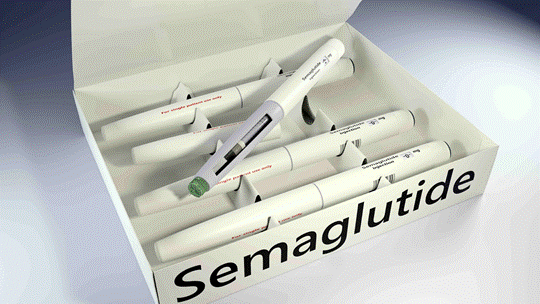
Semaglutide
Semaglutide is a prescription medication that binds to cellular receptors called GLP-1 receptors and helps regulate blood sugar, digestion, and appetite. This drug is used to treat diabetes and support long-term weight management.
In a human trial of patients with HIV-associated lipohypertrophy (an abnormal buildup of fat, usually in the abdomen, neck, or breasts of patients with HIV), semaglutide treatment for 32 weeks reduced biological age. Researchers found this to be the case using six different types of epigenetic aging clocks. Furthermore, somewhat strikingly, for one of the epigenetic aging clocks used, semaglutide reduced biological age by 4.9 years. Future studies should examine whether semaglutide reduces biological age in otherwise healthy adults to confirm that taking this medication may help fight aging in the general population.
Ketamine
Ketamine is an anesthetic medicine that can induce pain relief, sedation, and a dreamlike or detached feeling from the body and surroundings. It is sometimes used for treatment-resistant depression.
In a human trial, six ketamine infusions given to patients with post-traumatic stress disorder (PTSD) or major depressive disorder over the course of two to three weeks reduced biological age by 1.81 years, as assessed with one epigenetic aging clock. Future human trials should examine whether ketamine has a similar effect on biological age in healthy individuals to help determine if this medicine may slow the pace of aging.
Emtricitabine-tenofovir-alafenamide
Emtricitabine-tenofovir-alafenamide is a combination medication used to treat HIV and, in some settings, to prevent HIV infection. It contains two drugs: emtricitabine and tenofovir alafenamide, which both block a viral enzyme HIV needs to copy itself. As such, this prescription combination medication reduces viral replication and helps preserve immune function, which can delay HIV-related illness.
In a human trial of healthy participants without HIV, emtricitabine-tenofovir-alafenamide lowered biological age after 12 weeks of taking the medication. Researchers reported this effect with multiple epigenetic aging clock assessments. This finding underscores the potential of repurposing this combination medication, typically used for patients with HIV, for application against aging in otherwise healthy adults.
FTC-tenofovir-disoproxil fumarate
FTC-tenofovir-disoproxil fumarate is a two-drug combination of emtricitabine and tenofovir disoproxil fumarate, used for HIV treatment and prevention. In contrast to the other pharmaceutical interventions analyzed, when given to healthy individuals without HIV for 12 weeks, this combination significantly increased biological age. Thus, contrasting with emtricitabine-tenofovir-alafenamide, this combination of medicines to treat HIV may actually increase the pace of aging.
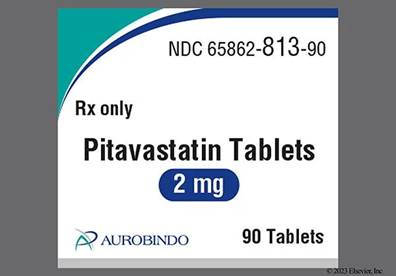
Pitavastatin
Pitavastatin is a prescribed medication used to lower “bad” LDL cholesterol, while raising “good” HDL cholesterol. It is commonly prescribed, along with a healthy diet and exercise, for high cholesterol and high levels of blood fats.
Interestingly, in a two-year human trial of patients with HIV, pitavastatin significantly reduced biological age for one of two epigenetic aging clocks used. Thus, pitavastatin may have the potential to lower biological age, and future studies should give the drug to healthy individuals and measure their biological age for confirmation.
Decitabine
Decitabine is a prescription anticancer drug, usually administered by infusion, that is meant to help reduce abnormal DNA methylation in cancer cells. Its effects on DNA methylation can make cancer cells die or behave like normal cells.
In a human trial, when given to patients with leukemia for five days, decitabine significantly lowered biological age for one epigenetic age clock but raised it with another clock. This finding makes it difficult to discern whether decitabine has any effect in lowering biological age. Thus, further investigation with human trials will be necessary to unravel whether decitabine lowers biological age.
Bezisterim
Bezisterim is an orally-administered small-molecule drug being studied for conditions such as Alzheimer’s disease and Parkinson’s disease. Interestingly, in a human trial involving participants with mild-to-moderate probable Alzheimer’s disease, 30 weeks of treatment with bezisterim significantly reduced biological age in one out of three epigenetic age clocks used. This finding highlights the potential of bezisterim to lower biological age, with further human trials necessary for confirmation.
Lifestyle and/or Supplements with Significant Effects on Biological Age
A few lifestyle and/or supplement interventions were reported in Johnson and Sinclair’s publication as significantly modulating biological age as estimated with epigenetic aging clocks. As such, regularly using the interventions that lower biological age could slow the pace of aging.
Omega-3 Fatty Acids
Omega-3 fatty acids are essential fats that the body cannot make in sufficient amounts, so people must get them from food or supplements. They are critical for cell membranes, brain function, and controlling inflammation throughout the body.
A human trial of overweight subjects found mixed results regarding the effects of omega-3 fatty acid supplementation on biological age. Accordingly, that trial found that supplementing with omega-3 fatty acids for six weeks decreased biological age by 6.1 years, according to one epigenetic aging clock. However, with another epigenetic aging clock, the same supplementation protocol increased biological age by 6.2 years. Thus, more human trials will be necessary to disentangle omega-3 fatty acids’ effects on biological age.
Calorie Restriction
Calorie restriction is a dietary approach that reduces calorie intake below what is typical or required, without causing malnutrition or nutrient deficiency. This dietary approach entails a consistent, long-term pattern of reduced calorie intake, not just occasional fasting.
In a human trial in which non-obese participants engaged in calorie restriction for two years, this dietary approach reduced biological age by 2% to 3%, as assessed with one of two epigenetic aging clocks utilized in the study. Thus, the data suggest that calorie restriction may be a promising way to lower biological age and reduce the pace of aging.
Restorin
Although not mentioned in the publication from Johnson and Sinclair, a nutraceutical called Restorin may have the potential to reduce biological age. Restorin is an advanced nutraceutical that comes in a capsule and is meant to promote healthy aging and longevity. It has been designed to target multiple biological mechanisms of aging, rather than just one pathway. The following table lists some of the ways the technologies in Restorin are designed to work:
| Targeted aspect of aging | Proposed mechanism |
| Boost cellular energy and metabolism | Increase NAD⁺ levels via a controlled-release NAD+ precursor |
| Remove senescent cells | Contains senolytic compounds that promote death of dysfunctional cells (senescent cells) |
| Support mitochondrial health | Includes autophagy and mitophagy activators to clear damaged cellular components and mitochondria |
| Activate sirtuins | Includes compounds meant to activate enzymes called sirtuins that support DNA repair and metabolic regulation |
Human clinical trials on Restorin, specifically its effects on biological age, are not complete. Much of the support for this nutraceutical comes from animal studies’ data on individual ingredients (NAD+ precursor, senolytics, autophagy activators, and sirtuin activators). Moreover, a study of the multi-component drug, SRN-901, which Restorin is roughly based on, showed that SRN-901 increased the average remaining lifespan of aged mice by a record-breaking 33%. Thus, future human trials should examine whether taking Restorin significantly lowers biological age as measured by epigenetic aging clocks.

Findings With Non-Pharmaceutical Clinical Interventions
Research has found significant effects on biological age as measured with epigenetic aging clocks with a few non-pharmaceutical clinical interventions. Accordingly, undergoing these interventions may serve to slow the pace of aging.
Kidney Transplantation
Kidney transplantation is a surgery in which a kidney from a living or deceased donor is placed into a person whose kidneys have failed. As such, the new kidney can perform the functions the old kidneys could no longer do.
In a human trial that measured the effects of kidney transplantation, the procedure reduced biological age by 4.4 years in patients with chronic kidney disease, using one epigenetic aging clock assessment. This finding marks one of the most significant effects on biological age measured with any intervention reported in Johnson and Sinclair’s publication. This also points to the prospect of replacing dysfunctional organs with more functional ones to slow or reverse aging; however, more human trials are necessary for confirmation.
Umbilical Cord Plasma Concentrate
Umbilical cord plasma concentrate is a concentrated preparation made from the plasma portion of human umbilical cord blood, which is the blood left in the placenta and cord after birth. In research settings, it has been studied as a source of young blood factors, including possible signaling molecules and metabolites that may affect aging-related biology.
A human trial showed that umbilical cord plasma concentrate administered for 10 weeks to healthy adults significantly lowered biological age in one of two epigenetic aging clocks used for assessment. In this study, umbilical cord plasma concentrate reduced biological age by 0.82 years. Thus, future human trials should examine whether administering umbilical cord plasma for longer durations serves as a way to reduce biological age.
Non-Significant Findings
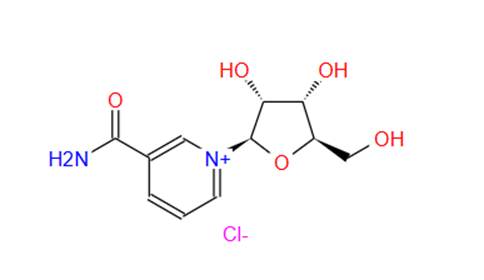
Nicotinamide Riboside
Nicotinamide riboside (NR) is a precursor to the molecule nicotinamide adenine dinucleotide (NAD+), which has essential roles in energy production and DNA repair, among other cellular processes. A human trial involving patients with mild cognitive impairment found that NR taken for 10 weeks had no significant effect on biological age, as measured with two epigenetic aging clocks. As such, future human trials should confirm whether NR does not affect biological age and possibly measure biological age after NR administration for longer durations.
Rapamycin
Rapamycin is a prescription drug originally developed as an immunosuppressant for organ transplant patients, and it is also under investigation for potential aging intervention effects. In relation to potential aging intervention effects, a human trial involving sedentary adults who took rapamycin and exercised for 13 weeks found no significant effects on biological age, as measured with four epigenetic aging clocks. Thus, future human trials, possibly assessing taking rapamycin for longer durations, should confirm that the drug does not affect biological age as measured with epigenetic aging clocks.
Metformin
Metformin is a widely used, affordable oral medication that is a treatment for diabetes and prediabetes. Mechanistically, it improves how the body utilizes insulin, rather than increasing insulin production.
In a human trial that had participants with HIV with normal blood sugar levels, taking metformin for 24 weeks significantly lowered biological age in two out of three epigenetic aging clocks utilized. All the same, a statistical analysis found that this intervention yielded no significant findings related to biological aging. Thus, with some potential to lower biological age, as measured with two epigenetic aging clocks, future human trials should use more participants and give metformin for longer doses to uncover whether this drug could slow the pace of aging.
Dasatinib and Quercetin
Dasatinib and quercetin are two compounds that are widely studied together as a senolytic combination (often referred to as D+Q). These two compounds have been shown to selectively kill dysfunctional senescent cells that accumulate in tissues with age and drive inflammation and tissue dysfunction.
In a human trial with healthy adult participants, a six-month regimen of D+Q conferred no significant effect on biological age as measured with three epigenetic aging clocks. This finding points to the possibility that preclinical evidence suggesting that D+Q slows aging and extends lifespan may not translate to humans.
Further Human Trials Necessary for Confirmation of Effects On Biological Age
Altogether, the review points to the possibility of multiple interventions to reduce biological age. Moreover, the interventions that have been reported to lower biological age need further human trials to confirm their effects.
 Comments