


Key Points:
- Fisetin eliminates most of the senescent cells in the heart tissue of aged rabbits.
- Fisetin reduces subspeciality to AF in aged rabbits.
- Senescent cells are present in the heart tissue of AF patients.
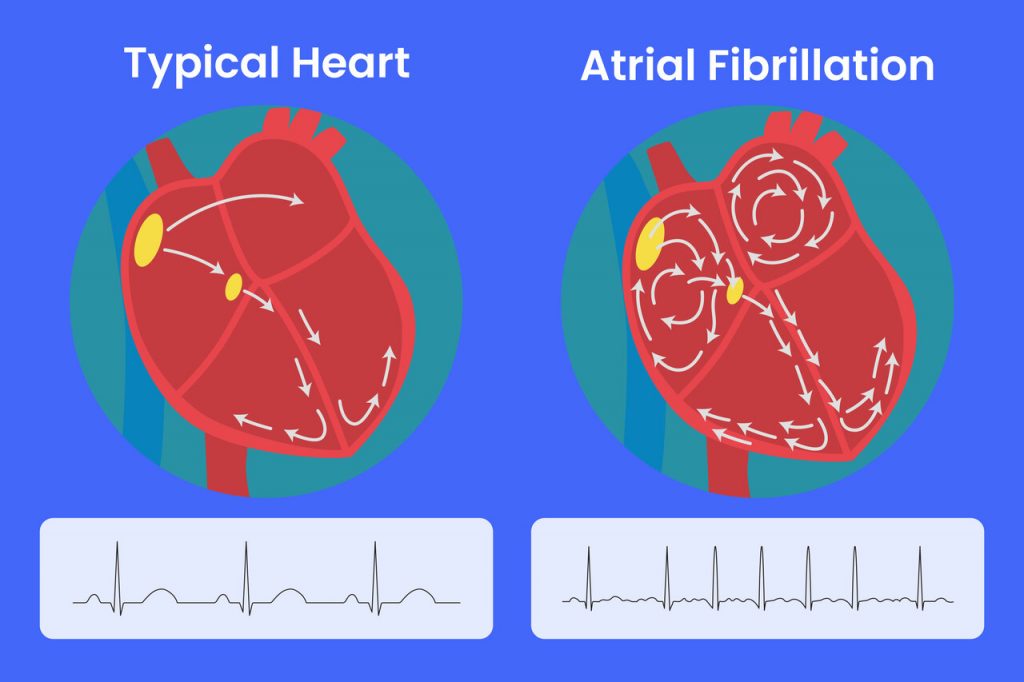
By the age of 40, about 25% (1 in 4) of adults are expected to develop AF, which can lead to heart attack, stroke, and early mortality. AF can be likened to electrical chaos, whereby the electricity responsible for each heartbeat becomes deregulated, triggering abnormal heart rhythms. Now, researchers from Brown University have found a way to reduce this electrical chaos with a senolytic called fisetin, as published in a new Heart Rhythm study.
Senolytics
Senolytics are compounds that eliminate senescent cells. As we age, senescent cells tend to accumulate throughout the body, including the heart. The problem is that senescent cells support cellular aging by secreting pro-inflammatory and tissue-degrading molecules. This is why senescent cells are considered a hallmark of aging, meaning they underlie nearly all age-related chronic diseases, including heart disease.
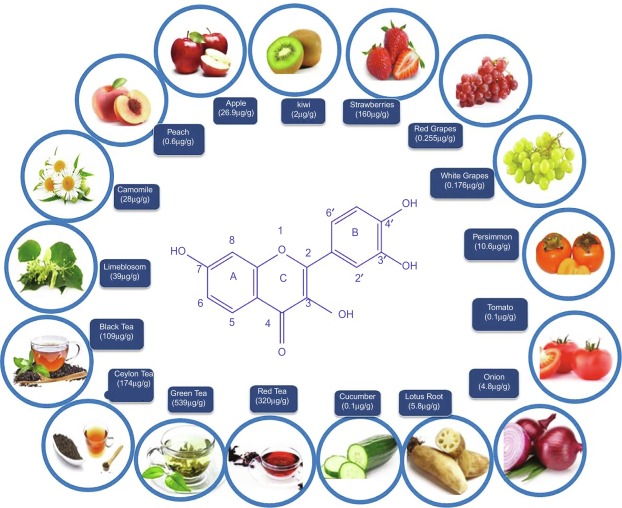
Scientists have discovered that senescent cells can be eliminated with senolytics. Fisetin is a naturally occurring senolytic, abundant in strawberries and other fruits and vegetables. While not the only senolytic, fisetin is among the most well-studied. Due to its promising effects in animal studies, fisetin is currently under investigation in clinical trials. It’s being tested on a wide range of disorders, including arthritis, cardiovascular disease, and cognitive impairment.
Fisetin Reduces Susceptibility to Atrial Fibrillation
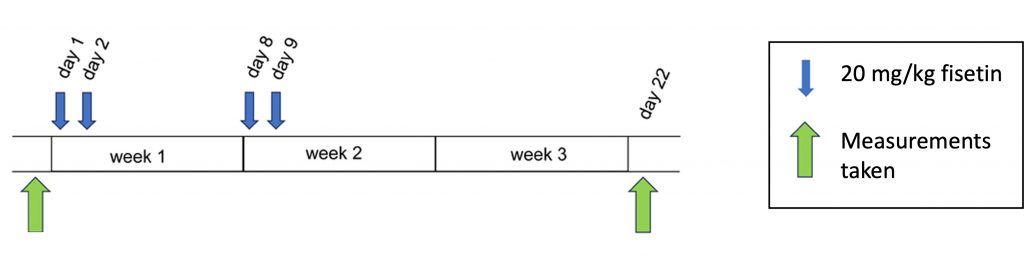
Alterations in heart tissue structure contribute to AF’s electrical abnormalities. Moreover, senescent cells may provoke these structural alterations. To this end, Brown University researchers administered 20 mg/kg of fisetin to aged rabbits to test whether removing senescent cells can treat AF. Strikingly, they found that fisetin eliminated most senescent cells from aged rabbit heart tissue. Notably, these results took two cycles of fisetin, and one cycle was not enough.
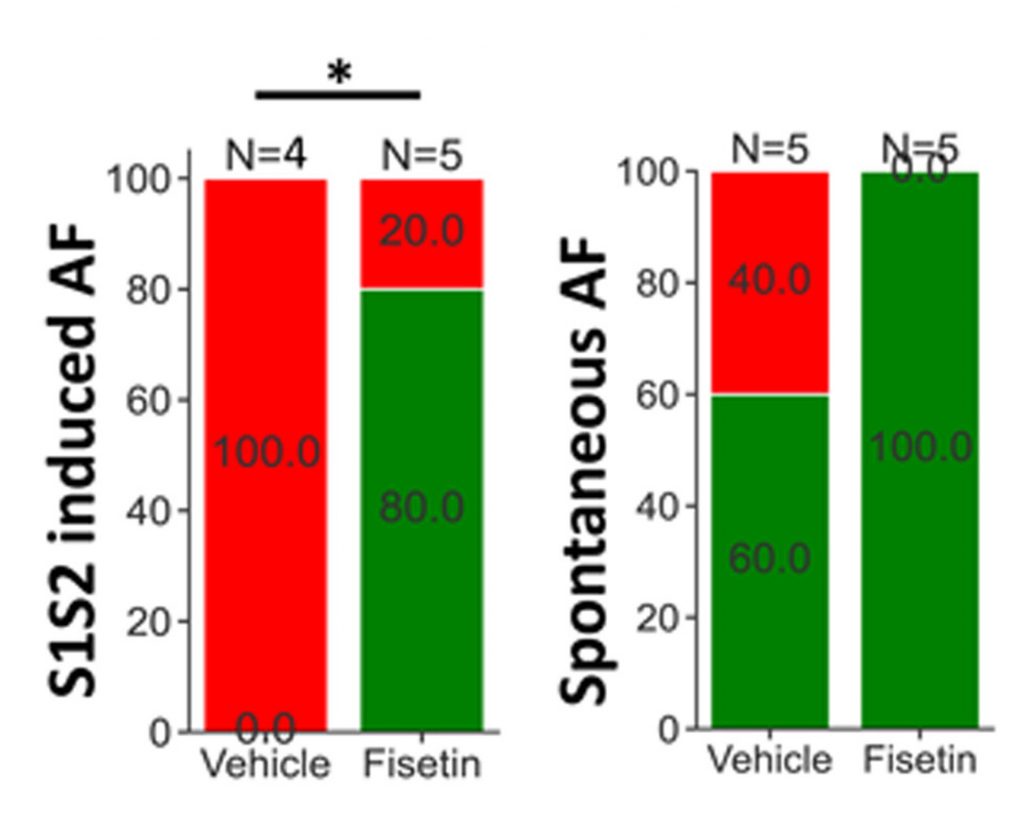
Furthermore, using an ECG (electrocardiogram) to measure the heart’s electrical signals, the researchers found that fisetin-treated aged rabbits did not naturally develop AF. In contrast, 18% of aged rabbits not treated with fisetin developed AF. Moreover, in a laboratory setting, AF can be induced; while 100% of untreated rabbits exhibited AF upon induction, only 20% did in the fisetin-treated rabbits. These findings suggest that treatment with fisetin can reduce susceptibility to age-related AF.
Senescent Cells in Atrial Fibrillation Patients
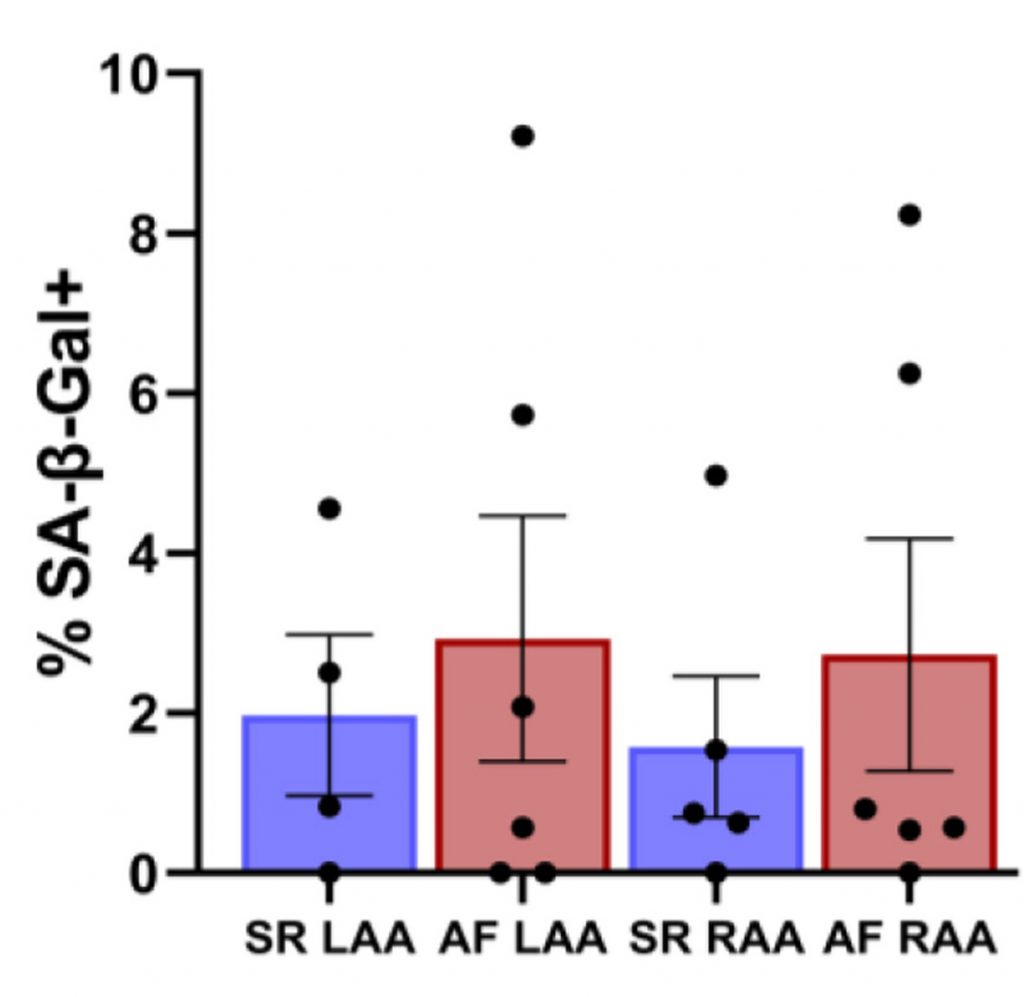
The Brown University researchers also examined the heart tissue of AF patients. Due to the wide breadth of variability between these individuals, the statistical analysis did not show significantly more senescent cells in AF patient hearts compared to individuals without AF. However, higher levels of DNA damage were detected in AF hearts, and DNA damage can cause normal cells to become senescent cells.
Additionally, the researchers analyzed 265 patients who underwent cardiac surgery. For this analysis, the researchers examined the size of the left atrium, a chamber of the heart affected by AF. Namely, a larger left atrium is associated with a higher risk of developing AF. Along those lines, the results showed that senescent cell-related genes correlated with a larger left atrium. While this data cannot proclaim that senescence causes AF, it suggests that senescent cells could influence AF.
Who Should Take Senolytics for Heart Health?
Since some AF patients showed an abundance of senescent cells while others did not, it is unclear whether senescent cells play a major role in the development of AF in human subjects. One study showed that a marker for senescent cells (p21) was associated with the increased risk of AF. However, this study was purely correlative, and the opposite could be true: AF may increase the occurrence of cellular senescence.
Crucially, senescent cells are not always harmful and play a critical role in wound healing and tissue remodeling. Along those lines, one study found that senolytic treatment (with a drug called ABT263) worsened disease progression in patients with pulmonary hypertension. And when it comes to the heart, cardiac cells do not readily regenerate, and losing these precious cells could lead to more harm than good. Thus, more studies are needed to determine the efficacy of senolytics on heart health.
With that said, some senescent cells are harmful and can damage surrounding tissues, including heart tissue. Senescent cells can even induce senescence in surrounding cells, exacerbating the problem. In this case, removing senescent cells may be advantageous by stopping the spread of cellular senescence, inflammation, and tissue damage. Still, more research and development are necessary to establish clinical tests that can assess whether individuals should take senolytics for heart health.
 Comments