


Key Points:
- Taking an NAD+ precursor supplement, like NR or NMN, is the second most scientifically-backed anti-aging intervention associated with reducing DNA damage.
- The most powerful anti-aging intervention that reduces DNA damage is consuming 10-40% fewer calories.
- Other anti-aging interventions associated with reducing DNA damage include omega-3 fatty acids, particularly DHA, and probiotics.
Even our cells make mistakes. In fact, our cells regularly make thousands of mistakes daily, particularly when it comes to DNA. Each time our cells divide, DNA is copied, inevitably leading to errors. External factors, like ultraviolet (UV) radiation, can also damage our DNA. This includes the food we eat, whereby the byproducts of metabolizing food can trigger DNA damage.
The accumulation of DNA damage disrupts cellular homeostasis and drives the physiological decline associated with aging. Our cells are capable of repairing DNA, but these repair mechanisms are imperfect. Studies have shown that mice lacking DNA repair exhibit accelerated aging and a shortened lifespan. Moreover, DNA damage underlies many age-related diseases, including heart disease, dementia, and cancer.
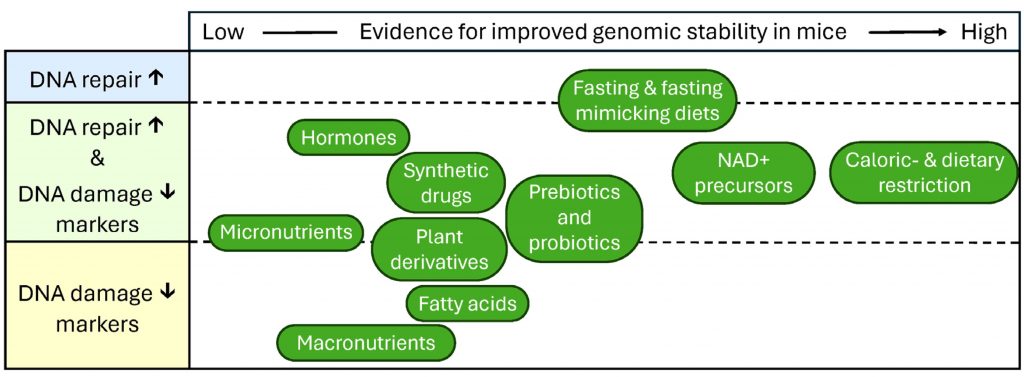
It follows that reducing DNA damage and increasing DNA repair can counteract cellular aging and potentially prevent or delay age-related diseases and mortality. Considering that lifestyle factors, particularly diet, can influence the accumulation of DNA damage, researchers from the Netherlands explored dietary interventions that have been shown to mitigate DNA damage. Based on the scientific evidence, they have ranked these interventions:
Caloric- & Dietary Restriction
The researchers define caloric restriction (CR) as when calorie intake is reduced but compensated with micronutrients. They describe dietary restriction (DR) as when calorie intake is reduced, but micronutrients are not compensated for. Both CR and DR, which usually involve reducing calories by 10-40%, reduce energy expenditure and decrease cellular growth pathways associated with aging, such as mTOR (mechanistic target of rapamycin).
Both CR and DR also improve mitochondrial health, which is crucial in preventing accelerated aging. Healthy mitochondria produce less reactive oxygen species (ROS), which cause damage to DNA and other cellular components when accumulated—oxidative stress. By counteracting drivers of aging, such as mTOR activation, DNA damage, oxidative stress, and mitochondrial dysfunction, CR and DR have repeatedly been shown to extend the lifespan of multiple model organisms.
What’s more, DR has been shown to increase the remaining lifespan of mice lacking DNA repair by 200%. Since these mice have been genetically altered to lack DNA repair, their increase in lifespan from DR can be explained by reduced DNA damage accumulation. The reduction in DNA damage can be attributed to fewer metabolic byproducts, such as ROS, which are generated when cells metabolize food. In addition to reducing DNA damage, DR has been shown to increase DNA repair.
NAD+ Precursors
NAD+ (nicotinamide adenine dinucleotide) is an essential molecule involved in metabolism, energy production, and DNA repair. NAD+ levels decline with age, but can be restored with NAD+ precursor molecules, such as nicotinamide, NR (nicotinamide riboside), and NMN (nicotinamide mononucleotide). Replenishing NAD+ levels has been shown to restore cellular health by various mechanisms, including the promotion of mitochondrial health.
NAD+ fuels a family of key enzymes known as sirtuins, which are involved in processes like DNA repair and mitochondrial biogenesis—the formation of new and healthy mitochondria. Through various processes, NAD+ precursors have been shown to reduce DNA damage and increase DNA repair. These precursors have also been shown to reduce inflammation, oxidative stress, and cell death, leading to the amelioration of conditions like dementia, heart disease, and cancer in animal models.
Fasting, Fasting Mimicking Diets, and Macronutrients
While not as powerful as DR and CR, fasting and fasting-mimicking diets can have similar effects on reducing cellular proliferation, growth pathway signaling, and metabolic activity, leading to less DNA damage. Fasting entails withholding from eating for extended periods of time, from 16 hours to three days and over, with longer fasting periods leading to more potent benefits.
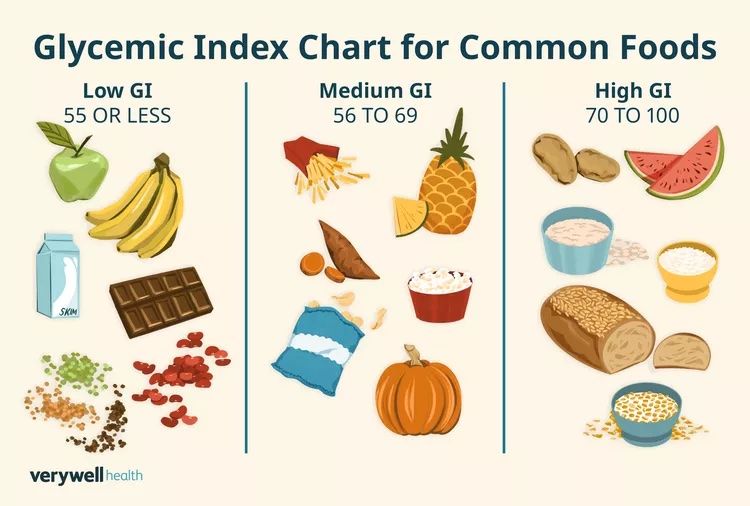
Fasting-mimicking diets usually consist of reducing the intake of carbohydrates or proteins, which are macronutrients. Considering that limiting the intake of protein is antithetical to muscle growth, reducing carbohydrate intake may be preferable. Even low glycemic index (GI) diets—consuming foods that release glucose into the bloodstream slowly—have been shown to reduce DNA damage and extend lifespan. This suggests that spiking one’s blood glucose/insulin promotes cellular aging.
Prebiotics and Probiotics
Our dietary choices profoundly affect our gut microbiota—bacteria and other microbes living in our gut. Prebiotics are foods, most often fiber, that we cannot digest, but our gut bacteria can eat. Probiotics are the beneficial strains of microbiota that can be consumed to colonize our gut. Thus, probiotics can be thought of as “good” microbiota, while prebiotics can be thought of as the food for said microbiota.
Aging leads to a decrease in good (anti-aging) microbiota and an increase in bad (pro-inflammatory) microbiota in the gut. This decline in gut microbiota composition causes DNA damage. Prebiotics, such as neoagarotetraose, have been shown to improve gut microbiota composition, reduce DNA damage, and extend the lifespan of mice. Probiotic strains have also been shown to counter aging and reduce DNA damage.
Synthetic Drugs, Plant Derivatives, and Fatty Acids
Synthetic drugs such as metformin, butylated hydroxyanisole, and oltpraz have been shown to reduce DNA damage by alleviating oxidative stress. Other synthetic drugs known to reduce DNA damage include aspirin, meldonium, and ABT-263. Plant derivatives—molecules found in plants—such as theaflavins and carotenoids have also been shown to reduce DNA damage.
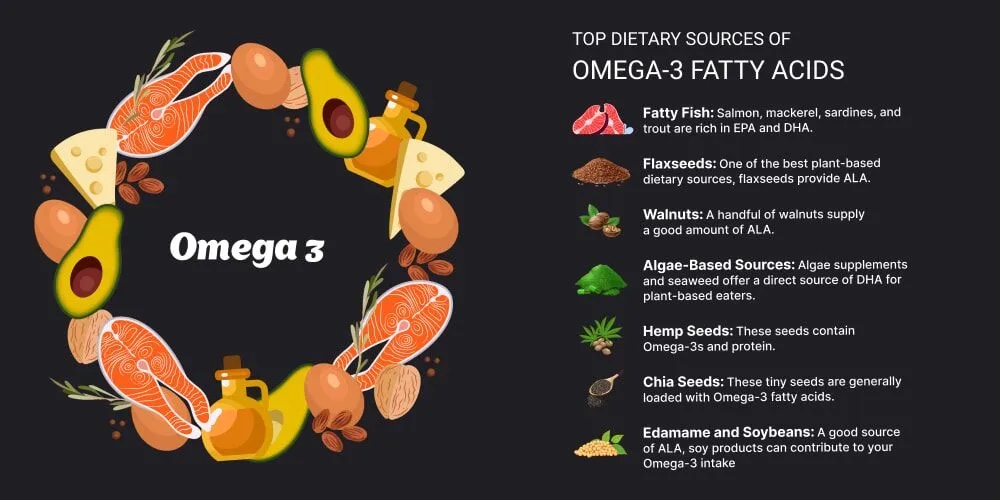
When it comes to fatty acids, omega-3 polyunsaturated fatty acids can reduce DNA damage. In particular, the omega-3 fatty acid DHA (docosahexaenoic acid), found in fish oil, plays a crucial role in reducing oxidative stress and enhancing genomic stability. Additionally, extra virgin olive oil, rich in monounsaturated fatty acids, is associated with improved DNA integrity. In contrast, omega-6 and omega-9 fatty acids may increase DNA damage.
Hormones and Micronutrients
A growing body of evidence supports the role of hormones in genomic stability. For example, supplementation with DHEA (dehydroepiandrosterone) delays age-related oocyte decline and reduces DNA damage. Melatonin, a powerful antioxidant that diminishes with aging, shows promising effects on DNA repair and has been shown to increase the lifespan of mice.
While micronutrient deprivation is known to cause health defects, the optimal dosing range for maintaining genomic stability is poorly characterized. Micronutrients like vitamin C and vitamin E have been shown to reduce DNA damage by alleviating oxidative stress, although results have been mixed. Still, vitamin E supplementation has been shown to prolong the lifespan of mice. Multivitamins may also play a role in reducing DNA damage.
Combining Anti-Aging Interventions for Synergistic Effects
In addition to the above anti-aging interventions, the Dutch researchers also mention PQQ (pyrroloquinoline quinone), a vitamin-like molecule shown to reduce DNA damage in several studies. Interestingly, in a recent review article, scientists proclaimed that combining PQQ with the NAD+ precursor NMN may reap synergistic effects—effects greater than the sum of its individual parts.
Moreover, the Dutch researchers also speculate that combining various anti-aging interventions can synergistically reduce DNA damage. These ideas are at the cutting-edge of longevity research, and we will likely see many combinatorial intervention studies in the future. With that said, Seragon Biosciences is already ahead of the game, as it has released its flagship product Restorin. Restorin combines interventions, including NAD+, to promote synergistic effects against cellular aging.
 Comments