


Key Points:
- Exercise strategies to increase the tissue density and quality of mitochondria include engaging in short bouts of intense effort interspersed with brief recovery periods, as well as aerobic and resistance exercises.
- Nutritional support to promote mitochondrial function includes a plant-based diet, consuming key nutrients such as B vitamins, and the intake of supplements that foster beneficial gut bacteria.
- Other biohacking techniques for optimizing mitochondrial function are cold exposure (such as cold showers), heat therapy (in saunas), and getting sufficient quality sleep.
With the rise of publicity and interest in the burgeoning field of longevity science, people interested in optimizing the length of their lives without an age-related disease (a concept known as healthspan) may wonder what things they can do. Interestingly, a key hallmark of aging garnering more attention recently is the functional deterioration of the cell’s powerhouses (mitochondria). As such, mitochondrial dysfunction with age can lead to a multitude of age-related conditions of metabolism, the cardiovascular system, the nervous system, and nearly all other physiological systems.
To counteract the age-related decline in mitochondrial function, utilizing strategies to increase mitochondrial density and quality in tissues throughout the body may serve as a way to extend healthspan. To boost mitochondrial density and quality, especially in skeletal muscle, the brain, and the heart, combining exercise with nutritional support and lifestyle factors creates mild conditions of physiological stress to promote mitochondrial biogenesis (the process of creating new mitochondria) and efficiency. As such, the following will provide more detail behind evidence-backed ways to increase mitochondrial density and quality.
Exercise Strategies to Boost Mitochondrial Density and Quality
Key types of exercise that promote mitochondrial biogenesis and efficiency include high-intensity interval training (HIIT), aerobic exercise, and resistance exercise:
- HIIT involves short bursts of intense effort followed by brief recovery, a technique that promotes the stimulation of mitochondrial growth and function. Also, research shows that undergoing HIIT promotes mitochondrial biogenesis.

- Aerobic exercises are exercises that utilize oxygen, which our mitochondria use to generate energy. Aerobic activities include running and swimming, which can increase tissue concentrations of mitochondria. Notably, swimming and running can also be applied to HIIT, where these exercises would be performed at higher intensities.
- Resistance training encompasses exercises that require your muscles to work against an external force (resistance), which can be utilized to build strength, endurance, and muscle mass, using tools such as weights, bands, machines, or your own body weight. Resistance training works to build mitochondrial quality and function in muscle, improving cellular energy production. Along these lines, research suggests that resistance training augments mitochondrial respiration capacity—the mitochondria’s ability to produce cellular energy.

Nutritional Support Promoting Mitochondrial Density and Quality
Nutritional support to boost mitochondrial density and quality includes eating a plant-based diet, getting key nutrients, and fostering optimal gut health:
- A plant-based diet encompasses a diet rich in fruits, vegetables, nuts, and whole grains. This type of diet helps ensure lower levels of mitochondrial damage and improved mitochondrial function.
- Key nutrients attainable through supplementation or dietary sources include Coenzyme Q10 (CoQ10), B vitamins, magnesium, L-carnitine, alpha-lipoic acid, omega-3 fatty acids, and antioxidants. Research has demonstrated that these nutrients promote mitochondrial function.
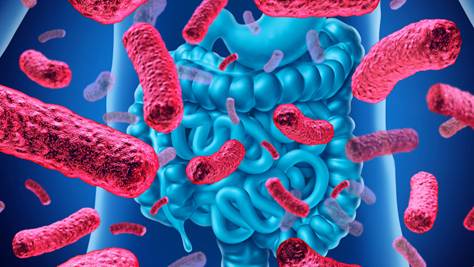
- It is important to ensure optimal gut health for mitochondrial function, as beneficial gut bacteria produce compounds that enhance mitochondrial efficiency. As such, taking prebiotics and probiotics can support beneficial gut bacteria. Prebiotics are specialized plant fibers that your body cannot digest but which act as food for beneficial gut bacteria, helping them grow and thrive. Probiotics, on the other hand, are live microorganisms, including beneficial bacteria, that may provide health benefits when consumed in adequate amounts by supporting a healthy balance of microbes in the gut.
Lifestyle Hacks to Optimize Mitochondrial Density and Quality
Lifestyle hacks to support mitochondrial density and quality include things like intermittent fasting, cold exposure, heat therapy, getting good sleep, and stress management:
- Intermittent fasting, which encompasses periods of calorie restriction such as only eating during an eight-hour window daily, can trigger mitochondrial repair and increase mitochondrial numbers.

- Cold exposure, whether with cold showers or ice baths, can activate skeletal muscle to generate heat, thereby recruiting mitochondria to skeletal muscle. Some research also suggests that cold exposure can increase mitochondrial biogenesis.
- Heat therapy, such as spending time in a sauna, is associated with increased mitochondrial biogenesis and respiration capacity, somewhat similar to the effects of exercise.
- Good sleep, along the lines of getting seven to nine hours a night, is essential for cellular repair and overall preservation of mitochondrial function.

- Stress management, using techniques and strategies to cope with daily pressures, improve reactions to challenges, and build mental resilience, is crucial for the preservation of mitochondrial function. This is because high levels of chronic stress are associated with structural and functional deficits in mitochondria.
More on How These Techniques Work
Most of these methods induce hormesis (a mild stress response), prompting cells to produce more mitochondria (biogenesis) and remove old, damaged ones (a cellular process called mitophagy), leading to better cellular energy production and cellular performance. Accordingly, making time for practicing some of these strategies could aid in increasing mitochondrial tissue concentrations and efficiency with the intention of lowering one’s biological age—an age assessment based on how well cells and tissues function.
If anyone takes an interest in engaging in some of these techniques, such as HIIT, resistance training, cold exposure, or heat therapy, he/she can find more detailed information about each practice online. In that regard, this review of ways to increase mitochondrial density in tissues, as well as mitochondrial quality, gives only a broad outline of ways to counteract an age-related decline in mitochondrial function.
 Comments