


Key Points:
- Some influencers in the biohacking and wellness circles, including Stanford’s Andrew Huberman, have talked up the idea of taking erectile dysfunction drugs for longevity purposes.
- A handful of large studies show associations between taking these drugs and lower rates of cardiovascular disease and death in men.
- Some women are even getting on board and taking the erectile dysfunction medications for longevity.
Cialis (also known by its generic name tadalafil) is one of the most well-known and commonly prescribed drugs for erectile dysfunction. However, its effects on the body may go well beyond a certain unmentionable male organ, as some in biohacking circles have increasingly started repurposing the drug as a kind of all-purpose longevity treatment.
As such, online clinics and influential people have started promoting tadalafil for its potential pro-longevity effects. They push the idea that the drug delivers benefits to the cardiovascular system, the brain, and even athletic performance.
Tadalafil and other erectile dysfunction drugs (like Viagra [also known by its generic name sildenafil]) have not been approved to prevent heart attack or stroke, let alone extend lifespan. Nevertheless, the hype around tadalafil and other drugs in its class reflects a growing interest among experts in the cardiology and men’s health fields that these drugs could have legitimate effects in preventing age-related conditions.
“It’s a serious area of discussion,” says Dr. Robert Kloner, director of cardiovascular research at the Huntington Medical Research Institutes in California, in a press release. “Cardiovascular disease remains the number one killer – and we have these drugs that may have a potential benefit, but we have to learn a lot more.”

The Potential of Erectile Dysfunction Medications to Promote Longevity
Tadalafil belongs to the same class of drugs as sildenafil. The primary difference between these drugs is that tadalafil’s effects last considerably longer.
While both of these drugs have been on the market for decades, a relatively recent large study has shown associations between men taking them and lower rates of serious cardiovascular events and death. Also, other recent research shows an association between men taking these drugs and a reduced likelihood of developing Alzheimer’s disease.
Nonetheless, the major human studies in this realm are observational, meaning that they can only show associations. In other words, they do not show that erectile dysfunction drugs are the definitive cause of lowered rates of cardiovascular disease and death as well as Alzheimer’s onset. All the same, the findings are remarkably consistent across studies, according to Kloner, who has a laboratory that studies these medications.
Kloner called the findings “a very interesting signal,” while cautioning that “it’s not something cardiologists are routinely recommending,” adding that “these drugs in general are very safe.”
Prominent Voices in the Longevity Field Have Touted Erectile Dysfunction Drugs’ Potential Effects Against Aging
The research from Kloner and other scientists has popped up online in longevity conversations. Accordingly, prominent voices, such as the neuroscientist from Stanford, Andrew Huberman, and the tech mogul seeking immortality, Bryan Johnson, have been touting the idea of taking tadalafil for more than sexual purposes. Both of these figures in the longevity space have publicly discussed using tadalafil as a longevity-oriented intervention.
Even Women Are Taking These Drugs
Some women have even gotten on board with the idea of taking erectile dysfunction drugs for longevity. One of them is Kristi Sawicki, a trained scientist and women’s longevity educator.
“It seemed very harmless,” says Sawicki. “If anything, it’s going to help blood flow, and that can be beneficial to our brain and our heart.”

Kristi started taking 2.5 mg per day of tadalafil a year ago. It was one of the drugs offered in the online clinic she used to get her weight loss medicine (called a GLP-1 agonist). The offering of the erectile dysfunction drug prompted her to research it.
“It’s a very well-understood mechanism,” she says.
As someone who has a family history of cardiovascular complications, she saw taking tadalafil as a potentially easy preventive strategy for cardiovascular issues. She has also noted other benefits, such as better muscle performance at the gym.
More on the Research on Erectile Dysfunction Drugs
While mostly prescribed for erectile dysfunction, tadalafil and sildenafil are, in fact, approved for treating a rare condition that involves high blood pressure affecting the lungs. Moreover, tadalafil can be prescribed for symptoms related to an enlarged prostate in men.
As for their mechanisms of action, these erectile dysfunction drugs (called PDE5 inhibitors) work by preventing the breakdown of a signaling molecule. In doing so, they help to relax muscle cells that encircle the vasculature and to dilate blood vessels. The effect not only improves blood flow to a particular male organ region, but also relaxes and widens blood vessels throughout the body, according to Kloner.
Interestingly, sildenafil was actually approved in the late 1990s as a drug to treat chest pain from poor blood flow to the heart. However, patients and clinicians observed the side effects against erectile dysfunction, and drug makers changed the course of its use.
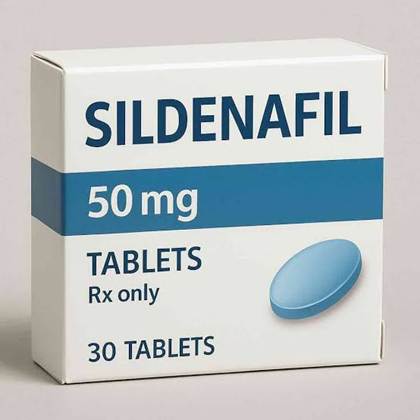
Evidence from small human trials suggests that PDE5 inhibitors like tadalafil and sildenafil improve blood pressure, among other blood vessel-related parameters. Furthermore, research using animal models suggests that these drugs also confer anti-inflammatory effects.
Also, studies have looked at medical records of men who were prescribed these drugs, primarily for erectile dysfunction, and found strong associations between taking them and a lower risk of death. For example, a study from Kloner and colleagues of more than 8,000 men taking tadalafil found they had a 55% lower rate of dying from cardiovascular complications and a 44% lower rate of overall mortality during the study period. Additionally, another study based on more than 500,000 patients showed an association between taking tadalafil and a 32% lower risk of dementia.
“We were particularly fascinated by the dementia piece,” says Dr. Dietrich Jehle, chair of emergency medicine at the University of Texas Medical Branch in Galveston.
The Need for Human Trials Showing Causation
Researchers, including Kloner and Jehle, have pointed out that without randomized controlled human trials (among the strongest designed studies for estimating whether an intervention causes a change), these findings should be considered with caution. For example, there could be unknown factors at play, like sexual activity after prescription and psychological implications. These possible reasons behind seeking out erectile dysfunction drugs could contribute to a reduced incidence of certain conditions (like dementia). Kloner has also acknowledged that the effects of these drugs in women have been less well studied.
The problem with starting randomized controlled human trials, according to Kloner, is that pharmaceutical companies are less incentivized to run such studies (which are costly). This is because generic versions of these drugs are already available, which have lower costs than the brand-name drugs (like Cialis and Viagra). Thus, if costly randomized controlled human trials found that the drugs showed effects against age-related conditions, the companies would still not turn a large profit.
The Online Market and What Critics Say
Much of the current marketing for drugs like tadalafil and sildenafil comes from direct-to-consumer online clinics. These clinics often advertise erectile dysfunction drugs alongside other trendy therapies intended to promote longevity. For example, a few companies online sell a monthly prescription for low-dose tadalafil for around $70 for longevity purposes.
Also, a medical director from one of these companies said she felt the data were strong enough to recommend these drugs to both men and women over age 40. According to that medical director, in providing longevity interventions, you often have to infer from the data, because once someone has already shown symptoms, you are already behind. This notion highlights the use of these drugs as a preventive strategy against aging.
Nonetheless, some experts in the longevity research field are troubled by the use of these drugs beyond their approved purposes. They say that without better data from human studies, harm could ensue.
“Absence of evidence of harms doesn’t mean there isn’t harm,” says Dr. Steve Nissen, chief academic officer of the Cleveland Clinic Heart, Vascular & Thoracic Institute. “In the absence of randomized controlled trial data, it’s pretty hard to justify.”

It May Take Decades to Confirm Whether Erectile Dysfunction Drugs Promote Longevity
While the promising data showing relatively strong associations between taking erectile dysfunction drugs and lower rates of death provide some promise, human trials that can estimate causation are needed. If future human trials estimate that these drugs causatively help to lower the risk of death, this could mean they likely do something related to enhancing the vasculature and blood flow to slow aging.
As mentioned, because these drugs are already available in their generic forms, pharmaceutical companies are less likely to confirm their potential effects against aging with costly human trials. Thus, it may take decades to confirm or refute whether erectile dysfunction drugs help with longevity in humans, unless a group of researchers takes it upon themselves to fund costly human trials that can estimate causation.
 Comments