


Key Points:
- In rat models of metabolic syndrome, cranberry extract performed comparably to metformin in lowering indicators of risk for heart disease, liver disease, and diabetes.
- In addition, cranberry extract reduced indicators of aging comparable to metformin in animals with metabolic syndrome.
- The effects of cranberry extract on tissue damage were dose-dependent—higher doses of cranberry extract led to greater reductions in tissue damage.
Metabolic syndrome is one of the defining aging-associated health challenges of the modern world. It is not one disease but a cluster of conditions—abdominal obesity, elevated blood sugar, high blood pressure, and dysregulated cholesterol—that sharply increases the risk of type 2 diabetes, fatty liver disease, heart disease, stroke, and early mortality. In the U.S., roughly one in three adults meets the criteria.
But the standard playbook to fight off metabolic syndrome-related organ dysfunction has mostly depended on improving diet and exercise. When those are not enough, physicians often prescribe metformin, a first-line drug that improves insulin sensitivity and lowers blood glucose. Metformin is effective, clinically validated, and is being investigated for potential longevity effects. But it comes with limitations—gastrointestinal side effects, and it is contraindicated in people with certain kidney or liver issues.
New research points to a surprising plant-based contender: cranberry extract. In a study published in Scientific Reports, researchers from Fayoum University in Egypt induced metabolic syndrome in rats using a high-fat, high-fructose diet—an aggressive model designed to mimic human metabolic dysfunction in a compressed timeframe. The effects of cranberry extract on metabolic syndrome in rats were remarkably similar to metformin. These findings strongly support cranberry as a promising natural approach for managing metabolic syndrome.
Bidirectional acceleration
Aging and metabolic syndrome don’t just overlap—they accelerate each other. As we get older, visceral fat, insulin resistance, inflammation, and mitochondrial wear set the stage for metabolic syndrome. Once it takes hold, metabolic syndrome hits those same aging pathways even harder, ramping up oxidative stress, senescence, and inflammation. The result: your biological age starts pulling ahead of your chronological one.
Clinically, that synergy shows up fast. People with metabolic syndrome face earlier and more intense versions of age-related disease—heart events, chronic kidney disease, fatty liver progression, cognitive decline, and frailty all arrive ahead of schedule. Metabolic syndrome also lowers resilience, raising surgical risks, slowing recovery, and making infections more dangerous. This double hit is pushing clinicians to act sooner and more aggressively, not just to control metabolic markers but to slow the entire arc of biological aging.
Cranberries and longevity
Cranberries have shown intriguing signals in aging biology and healthspan research. Cranberry extract extended lifespan and increased stress resistance in the nematode C. elegans—a classic model for studying conserved aging pathways. This aligns with prior animal research showing that cranberry polyphenols protect from diet-induced obesity, insulin resistance, and intestinal inflammation and also improve glycemic control and insulin sensitivity in diabetes models. Other work shows cranberry polyphenols improve neuronal stress tolerance and slow degenerative signaling.
In humans, some early clinical trials show benefits in aging-relevant outcomes. In a 12-week randomized clinical trial in older adults, cranberry supplementation improved memory and brain perfusion. Another clinical trial found that 288 mg of cranberry extract (equivalent to 26 g of dried cranberry) might improve the management of NAFLD. A cranberry beverage rich in polyphenols (procyanidins and anthocyanins) reduced oxidative stress in women in another University of Florida study. These are not lifespan trials, but they suggest beneficial effects on metabolic resilience, cognition, and vascular biology.
Metabolic improvements similar to metformin
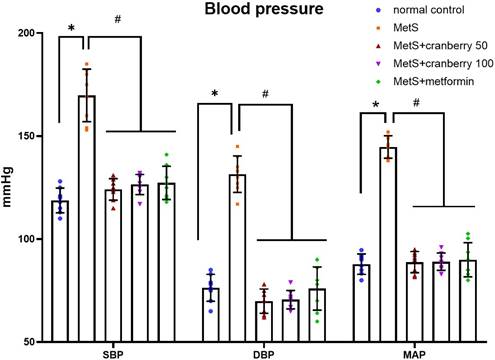
In this study, the scientists analyzed many measurements that inform health and the severity of metabolic disorder in rats treated with either placebo, metformin, or cranberry extract. The results were striking: cranberry extract improved metabolic health across nearly every endpoint, performing comparably to metformin. Compared to untreated animals with metabolic syndrome, cranberry extract:
- Reduced body weight, body mass index (BMI), and fasting glucose, but improved glucose tolerance, shifting the needle from pre-diabetes to healthy sugar metabolism.
- Lowered blood pressure, reduced triglycerides and LDL (aka bad cholesterol), and increased HDL (aka good cholesterol), which can lower the risk of heart attack, stroke, heart failure, and cardiovascular death
At the molecular level, cranberry extract activated a master energy regulator protein called AMPK that is also stimulated by exercise and metformin. AMPK activation improves insulin sensitivity, reduces fat accumulation in the liver, and increases mitochondrial efficiency—making it a target of intense interest in longevity science. Cranberry extract also suppressed genes associated with liver scarring and fat synthesis, which contribute to liver failure. In other words, cranberry extract influenced the same longevity-linked pathways targeted by metformin.
Organ-level protection: less inflammation, less scarring
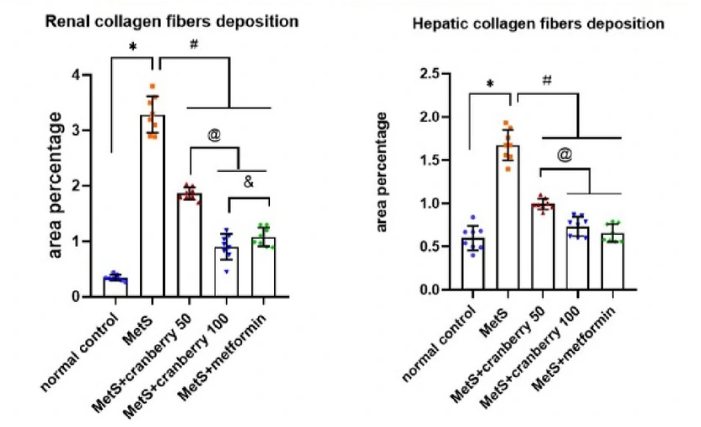
In the liver, excess fat and inflammation push age-related loss of resilience toward steatosis (an abnormal buildup of fats) and fibrosis (excessive buildup of scar tissue). In the kidneys, metabolic strain compounds the normal reduction in the number of nephrons—the key filtering units of the kidney—hastening chronic kidney disease. In the rat model of metabolic syndrome, cranberry extract reversed many of these key features, including:
- “fatty liver” changes resembling early non-alcoholic fatty liver disease (NAFLD), which can progress into liver cirrhosis if left untreated
- collagen accumulation, which leads to tissue scarring and structural damage in the kidneys
- elevated inflammatory markers, a hallmark of aging
Cranberry extract reversed much of this. At the highest dose, the liver and kidney tissue looked nearly indistinguishable from healthy controls. The metabolic improvements are not superficial—they appear to involve reduced organ injury and fibrosis, a critical factor in long-term disease progression.
Why cranberries work
Cranberries are unusually dense in polyphenols, particularly proanthocyanidins (PACs), flavonoids, and anthocyanins. These polyphenols also act as modifiers of several key aging-related pathways, including inflammation and insulin sensitivity. They appear to dial down pro-inflammatory gene pathways and upregulate AMPK—shifting metabolism toward fat burning and improved insulin sensitivity. Importantly, these polyphenols survive digestion, reach the colon, and interact with the microbiome, producing metabolites with their own biological activity.
The bottom line
This study does not provide enough evidence to suggest that cranberry extract can replace metformin, for several reasons. The head-to-head comparison was conducted in rats, and as it pertains to longevity, the researchers did not report on how the effects of cranberry on lifespan compare to metformin. Also, the dosing used in the study is higher than what most human supplements provide.
However, the findings suggest a compelling possibility: because cranberry extract produced metformin-like metabolic benefits without metformin-like side effects, cranberry polyphenols are worth investigating for people who cannot tolerate metformin or who are looking into food-as-medicine strategies.
Human trials are needed to determine:
- Best dosage/formulation by comparing juice, standardized extract, and whole berry powder.
- Long-term safety and effectiveness at high doses
- Whether it would work synergistically with metformin as a supplement or whether it can hold its own as an alternative.
Given the affordability, safety, and widespread accessibility of cranberries, this research presents a novel therapeutic approach that integrates lifestyle, nutrition, and longevity science.
 Comments