


Key Points:
- By the age of 70, many individuals experience a 25% to 30% reduction in muscle mass, which is strongly associated with impaired mobility.
- Human trial evidence supports that glycine and N-acetylcysteine (GlyNAC) supplementation and exercise regimens counteract age-related muscle loss and enhance cognition.
- Future human trials should test for a possible synergistic effect, where coupling GlyNAC supplementation with exercise amplifies either intervention’s effects against aging.
Typically, aging encompasses progressive physiological decline and, notably, a loss of muscle mass and function (a condition known as sarcopenia). Most researchers view an age-related reduction in the efficiency of the cell’s powerhouses (mitochondria) and an increased abundance of harmful, reactive molecules in cells (reactive oxygen species) as key contributors to sarcopenia in older adults.
To counteract age-related sarcopenia, aerobic exercise and strength training enhance the production of new mitochondria and reduce systemic inflammation driven by reactive oxygen species in older adults. However, excessive levels of chronic, low-grade inflammation and an overabundance of reactive oxygen species in cells often blunt the body’s adaptive response to exercise in older adults. This scenario has prompted growing interest in supplement interventions that can be combined with exercise to maintain muscle function during aging.
Along these lines, a review published in Frontiers in Nutrition highlights the potential of coupling glycine and N-acetylcysteine (GlyNAC) supplementation with exercise to counteract age-related muscle loss. In the review, Wang and colleagues from Xijing University in China discuss human trial data supporting that GlyNAC or exercise improves mitochondrial function, reduces inflammation, increases muscle strength, and enhances cognition in older adults. Such effects may serve to prevent or alleviate sarcopenia and other facets of aging and underscore the need to investigate the combination of GlyNAC supplementation and exercise.
How Exercise Mitigates Muscle Loss During Aging
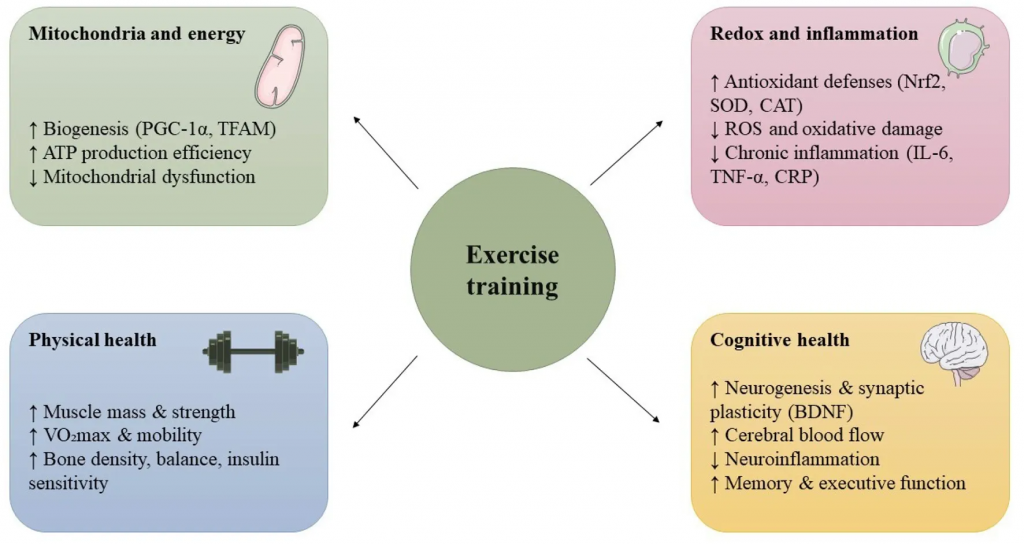
Exercise has long been recognized as a powerful way to modulate the process of aging. Accordingly, exercise stands out as a cost-effective means to improve health outcomes in aged adults. Through its broad effects on cells, tissues, and organs, ample research suggests that exercise can help slow age-related physiological decline. For example, consistent training enhances mitochondrial function, strengthens antioxidant defenses against reactive oxygen species, lowers systemic inflammation, and helps preserve muscle, cardiovascular, and brain health.
Blunted Adaptive Responses to Exercise with Age
Despite the beneficial effects of exercise on multiple aspects of physiological function, older adults face some limitations in their bodies’ ability to reap these benefits. For example, a well-documented issue facing older adults is that aged muscle has a reduced protein synthesis response to exercise. In that regard, identical training regimens in seniors and young adults yield smaller muscle volume and strength gains in seniors. This blunted adaptive response of muscles means that older adults must engage in longer training periods with optimal nutrition to achieve gains in muscle volume and strength.
Also, age-related frailty (a condition where the body has reduced strength and energy impairments) presents another challenge. Frail seniors have low energy reserves and often impairment in multiple organ systems. This scenario makes intense exercise risky or impractical. Due to blunted adaptive responses to exercise and issues of frailty, seniors often need to consult with a physician for advice on a tailored exercise prescription. Furthermore, combining a tailored exercise prescription with optimal nutritional support or supplementation remains one of the most powerful ways to mitigate age-related physical decline.
Effects of Glycine in Aging and Exercise-Related Physiology
As for supplements that may improve seniors’ adaptive responses to exercise, glycine is available as a dietary supplement. Glycine is a protein building block (amino acid) synthesized in the body that has important roles in protein synthesis and neuronal signaling. Because glycine availability in the body declines with age, this amino acid has recently gained attention for its potential to contribute to muscle repair in seniors.
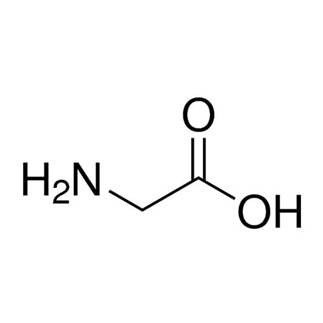
Human trials directly examining glycine’s effects on adaptive responses to exercise in seniors are scarce. However, glycine plays a role in the synthesis of the naturally occurring antioxidant glutathione, meaning that it could have a protective effect against exercise-induced reactive oxygen species buildup in cells. Thus, by enhancing antioxidant activity against damaging reactive oxygen species in cells, Wang and colleagues say that glycine could improve muscle recovery following intense exercise. Altogether, testing glycine supplementation’s effects on muscle recovery in aged adults still requires human trials; however, glycine may, theoretically, support antioxidant activity and muscle repair.
NAC and Exercise in Advanced Age
Another supplement that may improve seniors’ adaptive responses to exercise is NAC. NAC is a derivative of the amino acid cysteine and also serves as a precursor to the naturally occurring antioxidant glutathione.
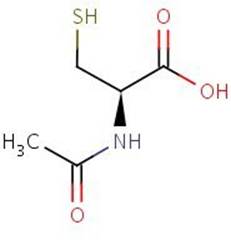
By contributing to the antioxidant glutathione’s activity, NAC can protect mitochondria. Along these lines, an age-related decline in muscle function is characterized by increased mitochondrial reactive oxygen species leakage and reduced cellular energy production. Through its role as a precursor to the antioxidant glutathione, NAC can shield mitochondria from harmful reactive oxygen species to increase mitochondrial cellular energy production. The reduction in mitochondrial reactive oxygen species also prevents muscle cell death that drives muscle atrophy during aging.
Thus, combining glycine and NAC (together referred to as GlyNAC) in supplement form may act to boost muscle adaptation to exercise and prevent muscle atrophy during aging. Taking a closer look at human trial data with GlyNAC may help unravel whether combining these supplements with exercise has positive effects against muscle decline and other aspects of aging.
Human Trial Evidence for Combining GlyNAC Supplementation with Exercise
For starters, one human trial found that older adults had a glutathione deficiency, mitochondrial dysfunction, and systemic inflammation compared to young adults. Moreover, older adults in this study also exhibited signs of reduced physical function, such as reduced muscle strength. However, 16 weeks of GlyNAC supplementation improved or corrected these defects, which supports that GlyNAC is an effective supplement to improve certain age-related abnormalities related to muscle decline.
Another feature of aging related to cellular accumulation of reactive oxygen species and mitochondrial dysfunction is cognitive decline. Relatedly, another human trial where older and younger adults took GlyNAC for 24 weeks reported that GlyNAC restored glutathione deficiencies and improved mitochondrial dysfunction, exercise capacity, and cognitive performance, among other age-related parameters assessed, in older adults. This human trial showed that, in addition to counteracting age-related physical decline, GlyNAC improved aspects of cognition in older adults.
Future Directions: Testing Whether Combining GlyNAC with Exercise Amplifies the Effects of Either of These Interventions on Its Own
A major drawback to the human trials discussed above is that, while they assessed GlyNAC’s effects on exercise capacity and physical function, there has still not been a human trial conducted dedicated to testing exercise with GlyNAC supplementation against age-related muscle decline. Thus, since both exercise and GlyNAC mitigate the cellular buildup of reactive oxygen species, improve mitochondrial function, and enhance muscle performance, future trials should test whether combining them amplifies the effects of either of these interventions on its own.
In the meantime, for any aged individuals interested in taking GlyNAC to counteract age-related muscle decline, a month’s supply of the supplement is available for purchase for around $30 to $40, depending on the supplier. Along these lines, taking about 5 grams per day of GlyNAC while engaging in an exercise protocol may help to overcome the age-related blunting in muscle protein synthesis.
Research suggests that the age-related reductions in muscle protein synthesis stem, in part, from cellular reactive oxygen species buildup and systemic inflammation. As such, GlyNAC has been shown to counteract reactive oxygen species and inflammation. Thus, although not confirmed in human trials, the data support the notion that GlyNAC may help to overcome decrements in muscle synthesis in older adults when engaging in exercise regimens. Altogether, GlyNAC supplementation may help to bolster gains in musculature from exercise in seniors.
 Comments