


Key Points:
- Measurements of theobromine circulating in blood revealed that elevated levels were associated with a slower rate of aging, according to an assessment based on molecular tagging patterns on DNA.
- Another aging assessment that gauges age based on the length of protective caps at the ends of chromosomes (telomeres) supported this association.
- Interestingly, the lower pace of aging, as measured with molecular tagging patterns on DNA, suggested that theobromine slows aging most significantly in current or former smokers.
As published in Aging, Bell and colleagues from King’s College London unveil data showing an association between elevated levels of theobromine (a compound derived from dark chocolate) circulating in the blood and a slower pace of aging. The researchers uncovered this association with an age assessment that gauges epigenetic age (an assessment based on molecular tagging patterns on DNA with common organic chemical units called methyl groups). The UK-based group then confirmed the association between elevated circulating theobromine and decelerated aging with another aging assessment based on the length of protective caps of DNA at the ends of chromosomes, known as telomeres. Intriguingly, with their analysis using the methyl group tagging patterns on DNA, Bell and colleagues found that the association between circulating theobromine and a slower pace of aging was more significant in current and former smokers. These findings suggest that increasing circulating levels of theobromine, whether through consuming dark chocolate or theobromine supplements, may serve as a way to slow the pace of aging.
“In conclusion, our study identifies an association between [theobromine] and measures of epigenetic ageing, suggesting that [theobromine] is relevant to human ageing,” say Bell and colleagues in their publication. “Further exploration of [theobromine] and age-related health markers may identify key epigenetic mechanisms transducing this effect and reveal a potential use of [theobromine] towards extending the human healthspan.”
Background on Plant-Derived Molecules Like Theobromine
Phytochemicals are natural, bioactive compounds derived from plants, which people consume through their diets and which can confer beneficial effects on physiological function and aging. Dietary phytochemicals include a subclass of molecules called alkaloids, to which compounds like cocoa-derived theobromine and caffeine belong. Alkaloids have undergone research for their potential to alleviate age-related conditions, such as cancer, diabetes, and inflammation.
Specifically regarding the alkaloid theobromine, the molecule has been tied to multiple aspects of health as well as aging. For example, research suggests that theobromine extends lifespan in certain model organisms, like worms. Furthermore, multiple studies have reported clear associations between theobromine intake and various improvements in aspects of physiological function, such as enhancements in cardiovascular-related parameters. Despite these findings, the exact impact of theobromine on aspects of aging has remained incompletely understood, and the molecular pathways underlying theobromine’s effects are largely unknown.
Along these lines, one way that phytochemical alkaloids, like theobromine, can mediate effects on aging is through epigenetic regulation of gene activity, which alterations to methyl group patterns on DNA can influence. In fact, consumption of cocoa and coffee, which contain abundant theobromine and caffeine alkaloids, respectively, has been associated with changes in DNA methyl group patterns in humans. Thus, alkaloids, like those found in cocoa from dark chocolate, may exert beneficial effects on aging, potentially through changing methyl group patterns on DNA.
Moreover, some researchers consider epigenetic dysregulation, where methyl group patterns on DNA become erratic and disorganized with age, a key hallmark of aging. For this reason, multiple groups of researchers have developed epigenetic aging clocks to predict different age-related features associated with methyl group patterns on DNA. These aging clocks have been used extensively to predict time to death and pace of aging. Other aging clocks operate in a similar way to predict these age-associated features with telomere length. Accordingly, epigenetic aging clocks and aging clocks based on telomere length may serve as useful tools to assess whether specific dietary phytochemicals, like theobromine, are associated with epigenetic modifications and a reduced rate of aging.
With all of this in mind, for their study, Bell and colleagues investigated whether bioactive alkaloid phytochemicals, in coffee and cocoa derived from dark chocolate, are associated with reduced epigenetic aging. Any alkaloids associated with reduced epigenetic aging could then potentially contribute to an extension of human lifespan without one or more debilitating age-related conditions (a concept known as healthspan).
Theobromine Is Associated with a Reduced Pace of Aging
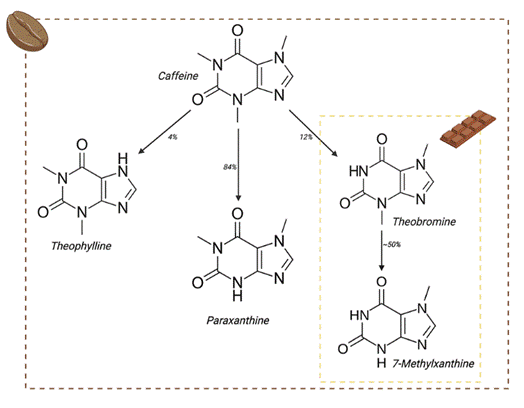
For their association study, Bell and colleagues utilized data from 509 healthy female subjects in the UK, as well as a group of 1,160 individuals (both male and female) also from the UK. The researchers analyzed five alkaloid metabolites, which come from coffee and cocoa, in the blood and predicted the pace of aging with aging clocks. The alkaloids analyzed were as follows:
- Caffeine, paraxanthine, and theophylline, which come from coffee beans
- Theobromine and 7-methylxanthine, which come from cocoa and, to a lesser extent, coffee
For the first group of 509 healthy females analyzed, only elevated circulating levels of the alkaloid theobromine were significantly associated with a reduced pace of epigenetic aging. Also, Bell and colleagues confirmed this finding with another analysis that assessed telomere length. These findings suggest an association between higher levels of circulating theobromine and a reduced pace of aging.
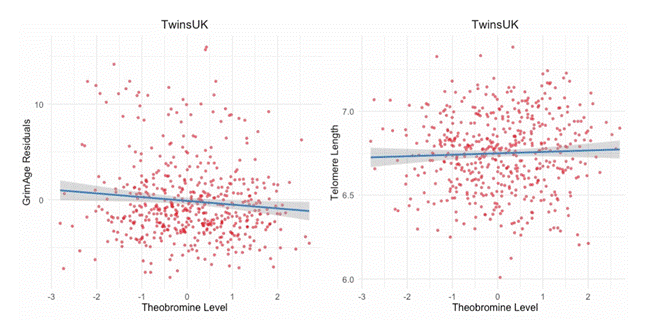
To confirm these findings, Bell and colleagues ran the same analyses on the group of 1,160 individuals. The results from these analyses were similar to those of the initial group of 509 females. This finding confirms the association, and since the analyses of 1,160 individuals contained males in addition to females, these findings support that the association between theobromine levels and a slowed pace of aging applies to both sexes.
As a further follow-up analysis, Bell and colleagues analyzed the association between circulating theobromine levels and the pace of aging based on epigenetics, according to smoking status, in the group of 509 healthy females. Intriguingly, they found that the association between theobromine and reduced age acceleration was most significant in current or former smokers, compared to those who never smoked habitually. This suggests that theobromine intake may confer a greater effect in those who smoke or used to smoke, and the reason why this may be the case remains unclear.
Theobromine May Modulate Different Facets of Aging
Interestingly, epigenetic aging clocks and aging clocks based on telomere length assess two different hallmarks of aging, epigenetic dysregulation and telomere length. This suggests that, if theobromine does indeed influence aging, it modulates more than one facet of aging. As such, theobromine may help restore epigenetic dysregulation and increase telomere length.
Some caution needs to be considered in relation to Bell and colleagues’ association study. For example, the study’s data unveils only a significant association between higher circulating theobromine and a reduced pace of aging; it does not support that theobromine causes a reduced pace of aging. In this regard, theobromine may enhance the effects of other molecules derived from cocoa that potentially drive a slower pace of aging. For this reason, it remains important for researchers to disentangle how slower aging associated with higher circulating theobromine occurs.
Finally, while cocoa from dark chocolate is a notable source of theobromine, consuming excessive amounts of dark chocolate can have adverse effects on one’s health due to high levels of sugar. To get around this, it may be beneficial to directly supplement with theobromine. Along these lines, theobromine supplements are available in capsule or powder form for prices ranging from $14 to $20 for a month’s supply.
 Comments