


Key Points:
- An analysis of 42 patients with idiopathic pulmonary fibrosis (an age-related lung disease) showed that an AI-designed drug (rentosertib) shifted six aging clocks toward a younger estimated age.
- The most significant reported signal occurred in a group that received 30 mg twice daily for four weeks, which appeared to be approximately 2.7 to 3.5 years younger.
- The findings, while encouraging, are not proof of age reversal, because improving the lung disease itself could alter protein aging markers to yield younger age readings.
Blood samples from a small human trial involving patients who have idiopathic pulmonary fibrosis (an age-related lung disease) have been evaluated using six independently designed aging clocks. The patients who took rentosertib, an AI-designed drug intended to treat the disease, had something in common: their readings suggested they were younger compared to those who took a placebo.
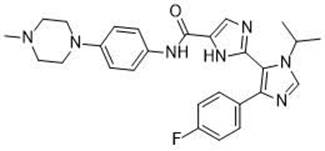
“If you manage to add 3 years to everyone’s life, the drug should be able to significantly extend the healthy portion of life as well, translating into trillions of dollars in productivity and savings…” said Alex Zhavoronkov, founder and co-CEO of the company that created the drug, in a press release.

A study, published in Nature Biotechnology, is a secondary analysis of a human trial that tested the safety of rentosertib. Of 71 idiopathic pulmonary fibrosis patients in the initial human trial, 42 consented to blood-based proteomic profiling for the secondary analysis. The patients who gave consent provided blood samples at baseline (before taking rentosertib) and at two, four, and twelve weeks following supplementation.
For the proteomics-based aging tests, the relative abundance of 2,841 proteins in blood samples was analyzed. These measurements were used to derive scores from six aging clocks created by different groups of scientists using different methods.
The largest effect in lowering biological age (age assessments from the proteomics clocks that reflect how well cells and tissues function) appeared at week four in the group that took 30 mg of rentosertib twice daily. The clocks estimated that the patients’ biological ages were between 2.7 and 3.5 years younger than expected.
A Key Drawback to the Study
The authors of the analysis have been direct about the study’s shortcomings. Based on the study’s data, they cannot disentangle slower aging from the effects of treating idiopathic pulmonary fibrosis.
Idiopathic pulmonary fibrosis itself is an inflammatory disease that alters the abundance of different proteins. Thus, a drug that improves the lungs of patients with this disease would be expected to alter the levels of proteins tested by the proteomics-based aging clocks and yield lower aging scores, all the while possibly not targeting processes of aging directly.
To address this, the researchers showed that the group that took 30 mg of rentosertib twice daily exhibited a reversal of protein abundance patterns associated with aging. Meanwhile, the group that took the placebo exhibited protein levels that drifted along a normal aging trajectory. This result, while suggestive that rentosertib may improve protein levels to slow aging, does not provide conclusive evidence that it does so.
Rentosertib May Improve Lung Function in Patients with Idiopathic Pulmonary Fibrosis
The rationale behind creating rentosertib has been centered on treating idiopathic pulmonary fibrosis. This disease progressively scars the lungs, and its cause remains unknown. Two approved drugs used to treat it, nintedanib and pirfenidone, only slow the decline of lung function, rather than halting or reversing the disease. Surprisingly, in the human trial, there was some evidence that rentosertib actually improved lung function in patients.
Drawing the Proteomic Clocks Into Question
Proteomics-based aging scores predict mortality and the risk of common age-related diseases. Whether they can predict functional outcomes, such as slowed cognitive and physical decline, remains to be determined. Thus, we still do not know whether lowering these scores translates to health improvements or the prevention of age-related decline. As such, no regulators, such as the FDA, approve drugs based on changes in scores from proteomics-based aging clocks. Nevertheless, some researchers are somewhat enthused about the findings.
“Six proteomic clocks from six independent groups, applied to the same 42 patients, all reported a younger biological age in the treated arms,” said Michael Levitt, the 2013 chemistry Nobel Laureate. “What convinces me is not the size of the effect but the agreement, because these models share neither their features nor their training data,” he said.

Rentosertib entered a phase 3 clinical trial in July. Phase 3 trials are large, confirmatory studies designed to determine whether a treatment provides a meaningful clinical benefit and whether that benefit outweighs the risks associated with the treatment. If the drug passes phase 3 clinical trial testing, it may eventually receive FDA approval for idiopathic pulmonary fibrosis treatment.
To find whether rentosertib indeed treats aging, researchers can first conduct studies to see if the drug extends the lifespan of naturally aged mice. Human trials can also be conducted to determine whether the drug improves aspects of physiological function, such as physical performance and cognition, in otherwise healthy aging adults. If such studies yielded positive results, they could give some of the first clues that the AI-designed drug indeed targets cellular pathways related to aging.
 Comments